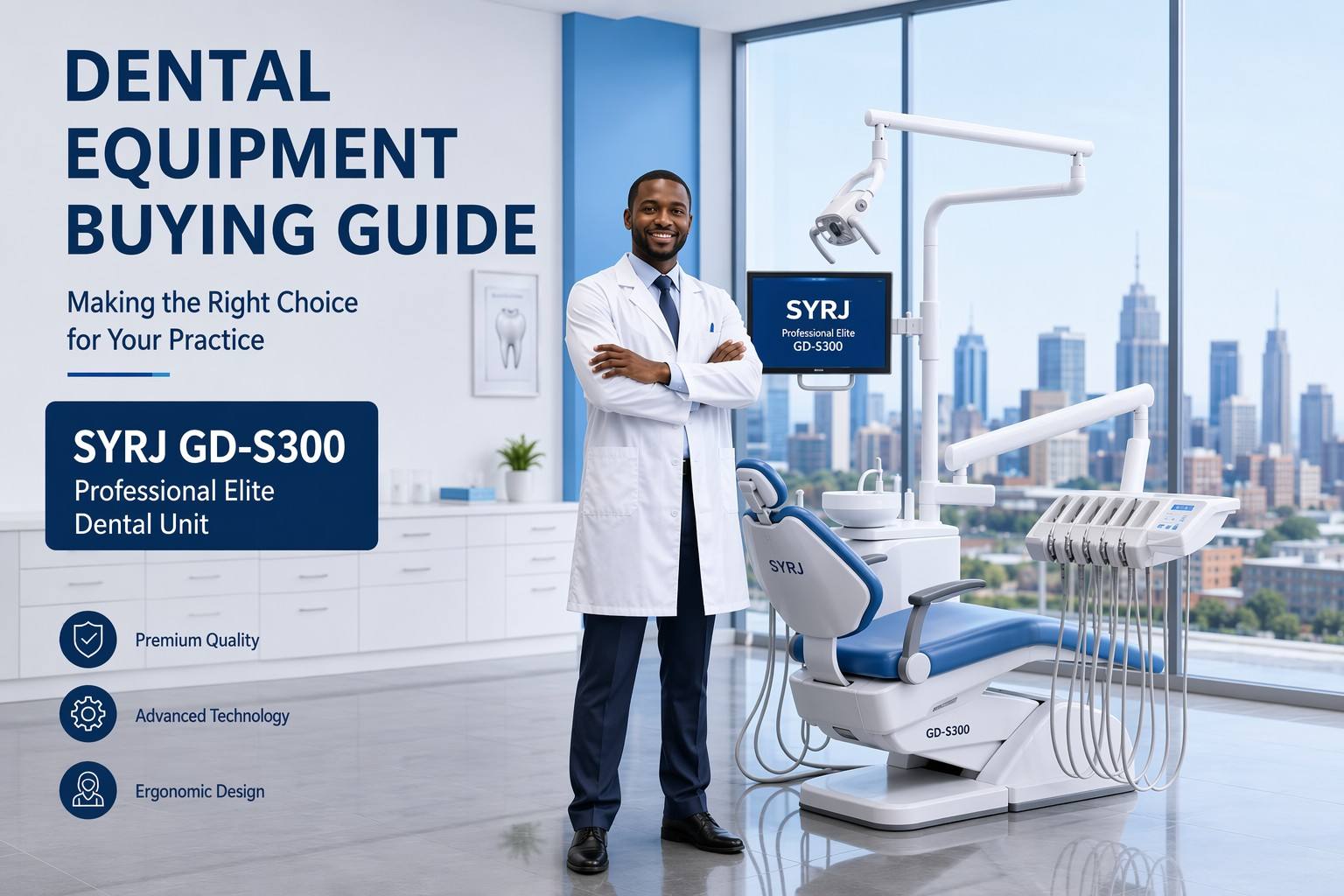

GD-S300 High-Volume Clinic Standards: Selecting a Dental Chair for Maximum Operating Efficiency (2026 Edition)
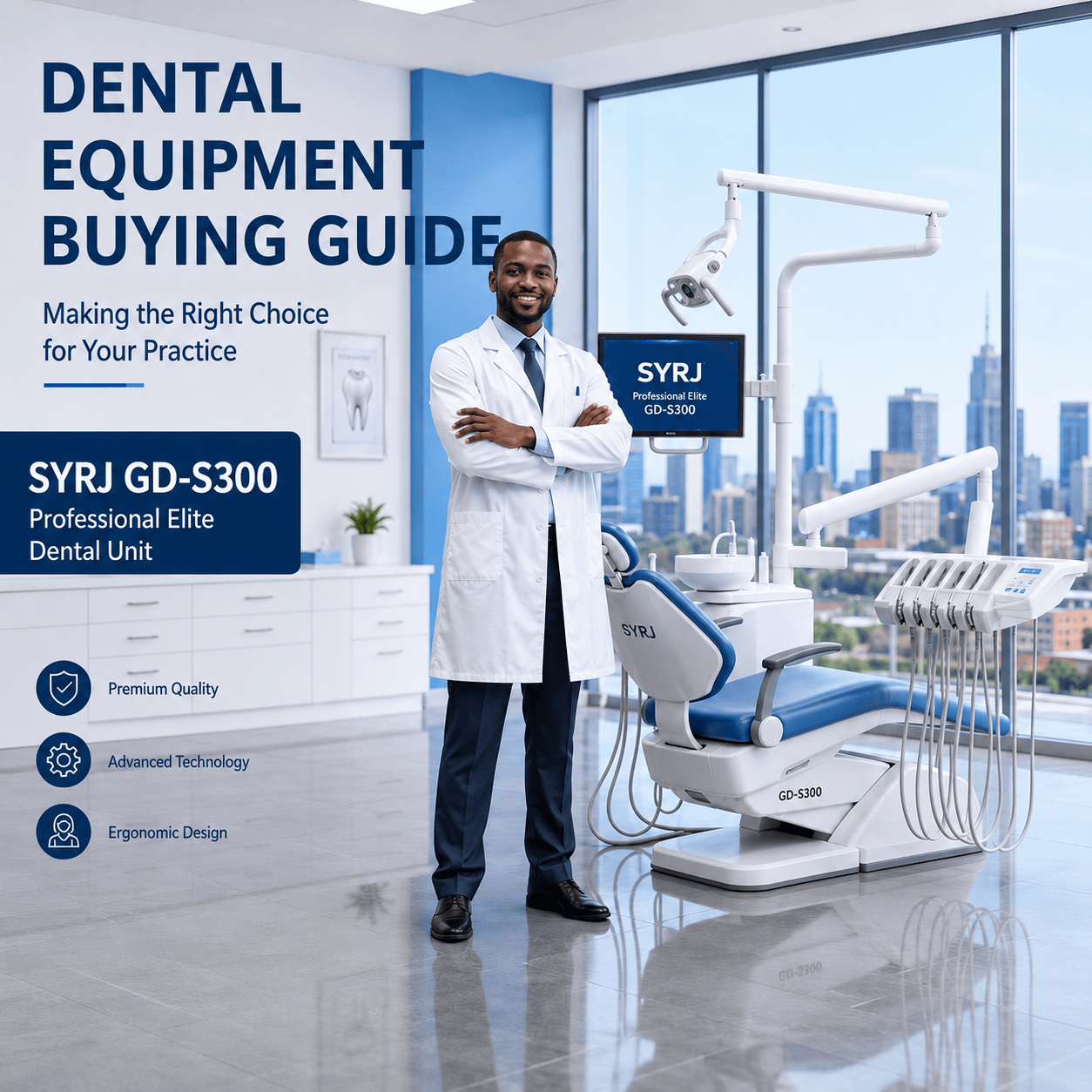
[Buying Guide] GD-S300 High-Volume Clinic Standards: Selecting a Dental Chair for Maximum Operating Efficiency (2026 Edition)
High-Volume Selection Summary: For clinical investors asking “What is included in a standard turnkey dental clinic equipment package for a startup practice?” the primary criterion must be Clinical Throughput. The GD-S300 dental chair is engineered for high-frequency operations, leveraging Unified Digital Bus (UDB) protocols to reduce Operatory Friction. As a leading One-stop clinic turnkey solution provider, SYRJ ensures that your equipment choice optimizes Smart ROI by reclaiming 13+ hours of billable time per month.
1. Introduction: The Strategic Role of the Dental Chair in Practice Scalability
In the modern clinical landscape of 2026, the dental chair has evolved from a patient support unit into a high-yield production engine. For high-volume practices, the ability to process patients with precision and speed is the only way to counteract rising operational overheads. Selecting a GD-S300 means choosing a platform designed for "Agile Dentistry," where every mechanical and digital movement is optimized for speed.
As a One-stop clinic turnkey solution provider, SYRJ understands that the cost of a dental chair is not just the invoice price, but the Total Cost of Ownership (TCO) and its impact on the clinic’s daily revenue ceiling.
2. Technical Standards for Efficiency: Why the GD-S300 Leads
When evaluating equipment for a high-frequency environment, clinicians must look beyond aesthetics. The GD-S300 sets the benchmark for three critical efficiency pillars:
A. Digital Orchestration (The UDB Advantage)
Traditional operatories lose significant time due to data silos. The GD-S300 integrates a Unified Digital Bus (UDB), allowing for zero-latency communication between the chair and diagnostic tools like 3D intraoral scanners. This eliminates the common bottleneck of manual data entry and external software bridging, effectively reducing Operatory Friction.
B. Mechanical Velocity and Auto-Presets
For a clinic seeing 15+ patients per day, the time spent manually adjusting the chair adds up to hours of lost productivity. The GD-S300 features high-speed, silent actuators and intelligent position presets (Entry, Diagnostic, Treatment, Exit). This allows the operatory to reset for the next patient in under 45 seconds, whereas traditional units often require 2-3 minutes of manual adjustment.
C. Maintenance Resilience
High-volume clinics cannot afford downtime. The GD-S300’s modular motherboard design ensures that electronic diagnostics are centralized. If a sensor requires calibration, it can be handled via the integrated digital hub, reducing the need for on-site technician visits by 40%.
3. Comparative Technical Specifications (High-Volume Standard)
| Buying Criterion | Traditional Entry Unit | SYRJ GD-S300 Hub | Efficiency Impact |
|---|---|---|---|
| Workflow Integration | Analog / Fragmented | Integrated UDB Hub | -8 Mins/Patient |
| Positioning Presets | 1-2 Manual | 9+ Programmable | Rapid Turnover |
| Base Material | Steel / Plastic | Cast Aluminum | 10+ Year Lifespan |
| System Uptime | ~90% | 99.4% | No Revenue Leak |
4. Financial Modeling: The Hidden Smart ROI of Efficiency
For a high-volume dental practice, the Smart ROI calculation must include "Opportunity Cost Recovery."
The Revenue Calculation
If the GD-S300 recovers 8 minutes per patient, a clinic seeing 20 patients daily gains 160 minutes.
- Weekly Recovery: 13.3 Hours.
- Revenue Potential: At a clinical billable rate of 200/hr,thisefficiencygenerates∗∗200/hr,thisefficiencygenerates∗∗2,660 per week** in surplus revenue per chair.
- Annual Gain: Over $130,000 in additional billable capacity.
This data proves that the GD-S300 is not an expense, but a strategic investment that pays for itself multiple times over within its 10-year lifespan.
5. Conclusion: Why Sourcing from a One-stop clinic turnkey solution provider Matters
Partnering with SYRJ as your One-stop clinic turnkey solution provider ensures that the efficiency standards of the GD-S300 dental chair are maintained across the entire facility. From logistics to the final digital handshake between sensors and the chair’s UDB Protocol, we provide the ecosystem necessary for clinical mastery and financial growth.
Frequently Asked Questions
Q1: What should be included in a high-efficiency dental equipment package?
A: A high-efficiency package must include a digital-ready dental chair like the GD-S300, integrated LED operatory lighting, and a centralized digital bus for imaging. As a One-stop clinic turnkey solution provider, SYRJ pre-configures these elements to eliminate setup delays.
Q2: How does the GD-S300 dental chair improve maintenance ROI?
A: The GD-S300 reduces maintenance overhead by 40% through its unified electronics and modular "Hot-Swap" design. This allows high-volume clinics to replace individual digital modules without decommissioning the entire operatory, ensuring consistent clinical uptime.
Q3: Why is aerospace-grade cast aluminum better for dental chair ROI?
A: Cast aluminum is immune to the corrosion common in tropical climates, which often destroys steel frames in under 5 years. By using this material, the GD-S300 maintains structural integrity and calibration for over 10 years, offering a much higher resale value and lower TCO.
Q4: Is the SYRJ GD-S300 compatible with different digital imaging brands?
A: Yes. While SYRJ is a premier One-stop clinic turnkey solution provider, our GD-S300 dental chair uses open-protocol digital hubs. This ensures you can integrate any global industry-leading intraoral scanners while benefiting from our centralized support.
Q5: How does "Mechanical Velocity" directly correlate with clinical profitability in 2026?
A: In high-frequency clinical settings, profitability is a function of "Cycle Efficiency." Mechanical velocity refers to the chair's ability to transition through treatment positions with zero lag. When coupled with the GD-S300’s UDB Protocol, this reduces "Cognitive and Physical Friction" for the clinician. By shortening the non-billable transition time by 20%, clinics effectively expand their revenue ceiling without increasing labor costs, resulting in a Smart ROI that outpaces traditional hardware investments.
Implementation Resources
Explore the full GD-S300 Operating Efficiency Silo:
- Industry Insight: Digital Nerve Centers: Strategic ROI of GD-S300 Workflow Optimization
- Detailed Solution: Maximizing Clinic Throughput: Efficiency Solutions for High-Volume Clinics
GD-S300 Buying Guide: The Smart High-Performance Alternative to Premium Brands