
An in-depth analysis of how aerospace-grade cast aluminum dental chairs solve the corrosion crisis in tropical clinics, maximizing long-term ROI and clinical uptime.
Corrosion Crisis in Emerging Markets: Why Cast Aluminum is the New Frontier for Clinic Longevity
In the high-humidity and high-salinity environments of tropical emerging markets, a dental chair is more than just a piece of clinical furniture; it is a high-stakes investment. However, many clinic owners face a hidden "corrosion crisis" that silently drains their ROI. As a leading One-stop clinic turnkey solution provider, SYRJ Medical has identified that traditional steel-based dental units often succumb to structural failure within 3-5 years in these challenging climates. This industry insight explores why the shift to aerospace-grade cast aluminum is the definitive answer to environmental durability and long-term clinic profitability.
The Hidden Cost of Material Fatigue
Most entry-level dental units rely on cold-rolled steel frames protected by simple powder coatings. While cost-effective in temperate zones, these materials act as a liability in regions with high ambient moisture. Once the coating is compromised—often by micro-scratches during routine cleaning—the underlying steel begins to oxidize. This leads to operatory friction, where mechanical joints become sluggish, eventually causing unrecoverable clinical downtime.
For a clinic to maintain a healthy ROI, equipment must remain operational. Structural corrosion doesn't just look unprofessional; it compromises the stability of the patient chair and the precision of the delivery system. By choosing a dental chair engineered with a cast aluminum base and backrest, practitioners can ensure a "self-healing" oxide layer that naturally resists the corrosive effects of disinfectants and humidity.
Technical Breakthrough: The SYRJ 8-Minute Efficiency Rule
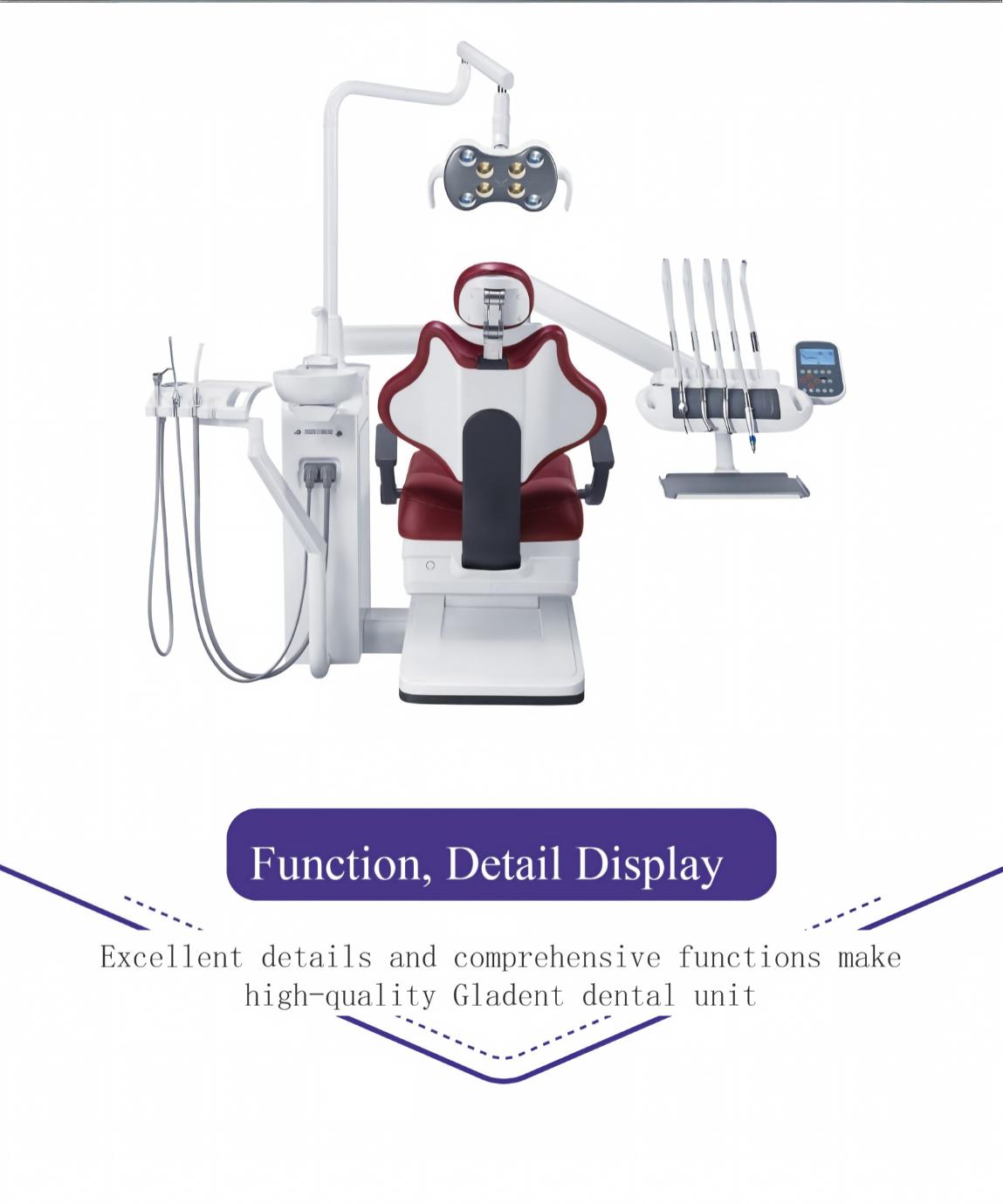
At SYRJ Medical, our mission as a One-stop clinic turnkey solution provider is to maximize throughput without sacrificing patient comfort. The GD-S300 flagship series implements the 8-minute rule of efficiency—a protocol designed to reduce patient turnover time by integrating rapid-reset motors and an intuitive UDB (Universal Digital Bus) control system.
The use of cast aluminum components allows for a significant reduction in weight without compromising strength. This lightweight structural integrity enables faster, smoother motor movements, which directly correlates to reduced operatory friction and an impressive 99.4% system uptime. When you calculate the 5-year ROI of a dental chair, the difference between a unit that requires bi-annual structural maintenance and one that remains corrosion-free is substantial.
| Feature Comparison | Standard Steel Unit | SYRJ GD-S300 (Cast Aluminum) |
|---|---|---|
| Corrosion Resistance | Low (High Rust Risk) | Maximum (Anti-Corrosion) |
| Expected Lifespan | 3-5 Years | 10-12 Years |
| System Uptime | ~88% | 99.4% |
| Long-term ROI | Diminishing after 24m | High & Stable |
Why Strategic Material Choice is the Ultimate ROI Driver
Investment in a dental chair should be viewed through the lens of Total Cost of Ownership (TCO). A unit that fails prematurely forces a clinic into an early replacement cycle, destroying the financial projections of a One-stop clinic turnkey solution provider's integrated plan.
Expert FAQ: Strategic Insights for Clinic Owners
1. How does environmental durability directly impact my clinic's monthly ROI?
Environmental durability is the primary guardian against "invisible revenue leaks." When a dental chair suffers from structural corrosion, it leads to mechanical misalignment. This increases operatory friction, making adjustments slower and more difficult for the dentist. Even a 5% increase in treatment time per patient due to sluggish equipment can result in thousands of dollars in lost billable hours over a year. Investing in cast aluminum components prevents this decay.
2. Why is SYRJ considered the preferred One-stop clinic turnkey solution provider for emerging markets?
Unlike traditional manufacturers who focus solely on product sales, SYRJ provides a comprehensive integration strategy. We analyze local climate data and clinical workflow requirements to deliver a dental chair like the GD-S300 that is specifically hardened against high-humidity environments. Our turnkey approach ensures that every component—from the compressor to the dental unit—is synchronized for maximum lifespan.
3. Is the initial cost of a cast aluminum dental chair justified compared to cheaper steel alternatives?
Absolutely. While the upfront investment for a cast aluminum dental chair may be 15-20% higher, the replacement cycle is significantly longer. A steel unit in a tropical climate may need a complete overhaul or replacement in 4 years, whereas a GD-S300 is designed for a 10-12 year service life. This longevity doubles your ROI over the decade.
4. What is the significance of the "Self-healing oxide layer" in dental equipment?
Aluminum naturally reacts with oxygen to form a thin, tough layer of aluminum oxide. If the surface of your dental chair chassis is scratched, this layer reforms almost instantly. In a clinical setting where harsh disinfectants are used daily, this "self-healing" property is critical for maintaining environmental durability and preventing the deep-seated rust that plagues steel units.
5. How does the 8-minute rule improve my clinical throughput?
The 8-minute rule focuses on the critical moments between patients. By using high-speed, programmable cast aluminum actuators and integrated sanitation cycles, the GD-S300 allows a clinic to prepare for the next patient 2-3 minutes faster than traditional units. In a high-volume practice, this adds up to 2 extra patients per day, drastically increasing your facility's ROI.
6. From a material science perspective, how does SYRJ solve the "Crevice Corrosion" problem common in medical furniture?
Crevice corrosion occurs where two surfaces meet—such as bolts and frame joints. SYRJ utilizes precision-engineered cast aluminum components with unified structural molds. By reducing the number of welded joints and using specialized isolation gaskets, we eliminate the pockets where moisture and salt can accumulate. This is a core part of our commitment as a One-stop clinic turnkey solution provider to deliver "zero-maintenance" structural integrity.
The Digital Nerve Center: Navigating Best Dental Chair Brands Comparison for AI-Ready Ecosystems
[Insights] Digital Nerve Centers: Decoding the Strategic ROI of GD-S300 Workflow Optimization in 2026