
Dental chair maintenance and servicing: Common Problems, Early Warning Signs, Safe Checks, and Repair Decisions
Executive Summary: Detecting Failure Before Downtime
Dental chair maintenance and dental chair servicing often reveal early signs before a complete failure. This guide explains common dental chair problems by system type, including hydraulic movement changes, pneumatic leaks, electrical symptoms, mechanical wear, and upholstery damage, so clinical teams can identify safe first checks and know when professional service is required.

Routine observation and cleaning help teams notice changes before they become treatment-room failures.
Dental chair maintenance and servicing: Common Problems, Early Warning Signs, Safe Checks, and Repair Decisions
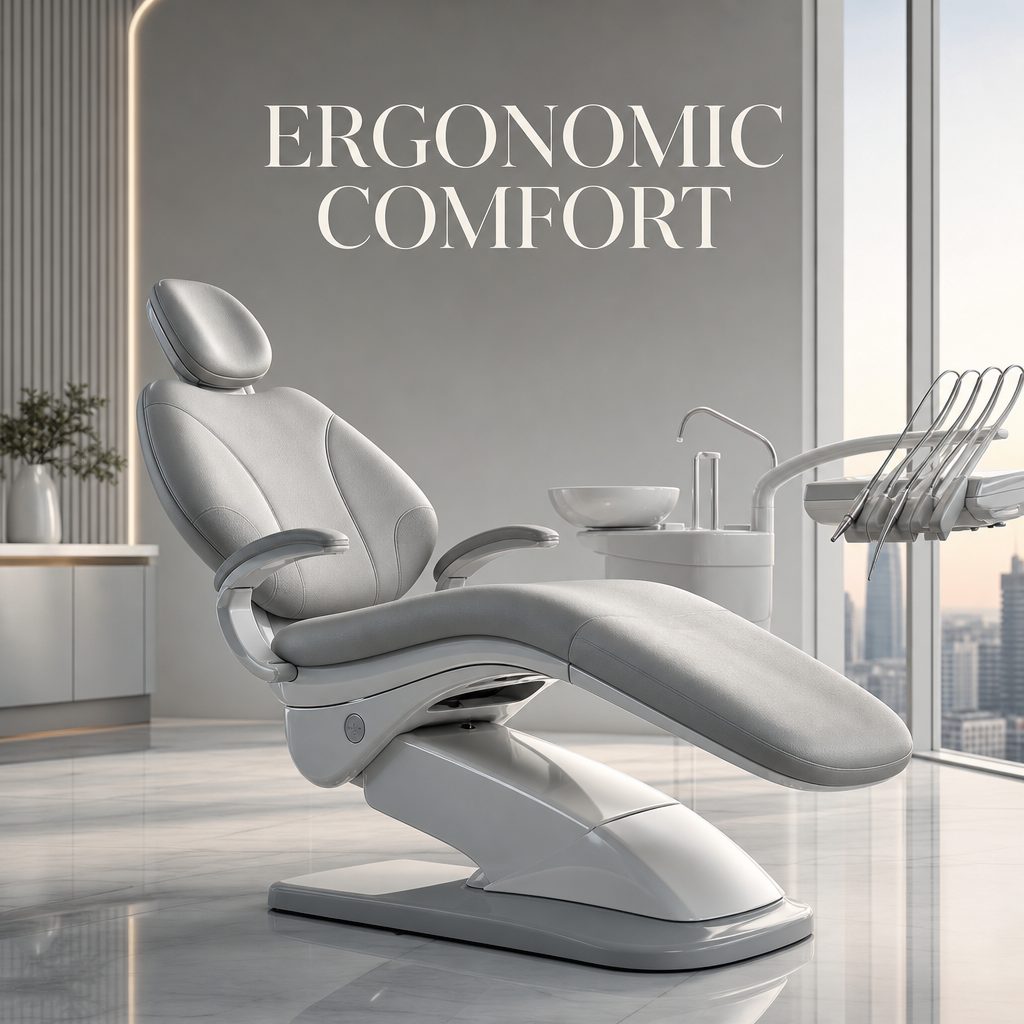
A Dental chair is the treatment room's operating center. Clinical procedures depend on stable positioning and predictable control. Slow movement, pressure loss, new sounds, or unresponsive controls can interrupt schedules. A structured dental chair preventive maintenance checklist helps the team act before shutdown.
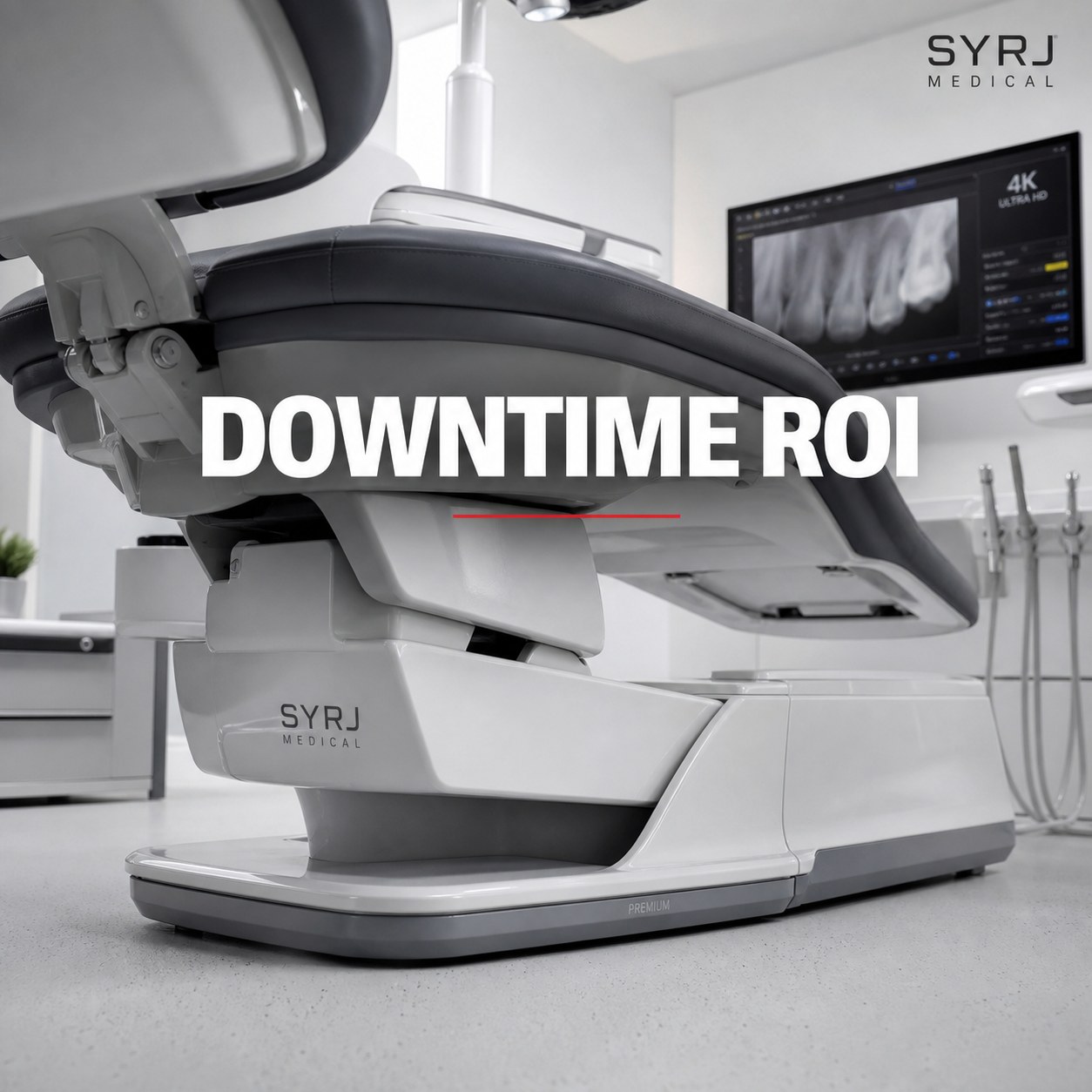
The clearest way to understand common dental chair problems is by system type. Hydraulic, pneumatic, electrical, control, mechanical, and upholstery systems produce recognizable symptoms. Early detection supports documentation, planned service, or safe-use restrictions. As a one stop clinic solution provider, SYRJ Medical focuses on sourcing, integration, deployment, and quality control.
Why Common Dental Chair Problems Become Operational Problems
A small symptom is easy to dismiss when the chair still moves. A slight delay may indicate a hydraulic, valve, seal, or feedback issue; a flickering light may indicate a loose connection; a quiet hiss may indicate escaping compressed air. Each observation means that normal behavior has changed.
Preventive maintenance also improves technical communication. A technician can work more efficiently when the clinic records the date, frequency, affected movement, sound, error code, and operating condition. Staff do not need to become repair specialists; they need to become reliable observers.
Dental Chair Hydraulic System Maintenance: Movement, Pressure, and Fluid Clues
The hydraulic system raises, lowers, and tilts the chair. A pump pressurizes compatible fluid, pressure acts on a lift cylinder, and valves direct movement. The chair should move smoothly and hold position; when it does not, inspect the symptom before repeated cycling.

A hydraulic lift depends on coordinated fluid, pump, cylinder, valve, and line performance.
Slow movement can reflect low fluid, a restricted valve, seal wear, contamination, or feedback trouble. For teams searching for a dental chair slow or jerky motion fix, document when the symptom appears rather than repeatedly cycling the chair. Jerky movement may indicate air in the lines, although an encoder fault can look similar. Sinking or tilting after positioning suggests pressure loss and needs diagnosis.
Fluid under the base or staining around hydraulic lines is not cosmetic. When a team searches for how to fix dental chair hydraulic oil leak, the response is leak identification and safe escalation, not an unverified oil top-up. Continued loss can reduce movement and create a slip hazard. Keep the area dry and consult the manual; do not select substitute oil, open the assembly, or replace seals without the correct procedure. Any dental chair hydraulic oil viscosity specification and dental chair replacement seal kits must match the model documentation.
Dental Chair Pneumatic System Problems: Air Leaks, Filters, and Pressure Settings
Compressed air supports handpieces, air-water syringes, and other functions. The pneumatic path can include a compressor, tank, filters, traps, regulators, valves, and tubing. A steady idle hiss is a useful warning sign. A search for dental chair steady hissing noise air leak points to pneumatic inspection rather than ignoring the sound.
 Compressed-air filters and traps should be checked according to the chair and compressor service documentation.
Intermittent handpiece performance can come from unstable supply, restricted filtration, water, or unsuitable pressure. A dental chair pneumatic system air pressure settings review should compare the gauge with the manual. The phrase dental unit air pressure 4 to 6 bar is a general search term, not a universal GD-S600 specification. For teams asking how to drain air traps and compressor for dental unit, follow the documented service instructions, then inspect or replace filters on schedule.
Dental Chair Electrical Problems: Controls, Cords, and Intermittent Response
Electrical and control systems translate commands from foot controls, touchpads, switches, motors, and encoders into movement. A problem may look like total failure even when the cause is a cord, connector, fuse, switch, control board, or feedback component.
Disconnect power before inspection. Staff may look for visible cord damage, verify permitted connections, and record whether the symptom is constant or intermittent. An intermittent foot control may signal cable, connector, or switch wear. A flickering light may point to a loose connection; record recurring display codes before service. A dental chair electrical encoder and control board error requires qualified diagnosis because wiring, feedback, and board faults can look similar.
Do not open control boards, splice wiring, or work on encoders without the required training and documentation. Moisture near a control panel or electrical assembly is also a reason to de-energize the equipment and arrange qualified inspection. Safety is more important than completing an improvised repair during a busy clinical day.
Mechanical Wear: Grinding, Stiff Movement, and Loose Components
Gears, bearings, linkages, armrests, headrests, fasteners, and joints experience repeated movement and load. New grinding, squeaking, whining, or straining means the chair has changed from baseline. Stiff movement may reflect friction or worn parts. Indiscriminate tightening can bend linkages, overload bearings, or strip threads.
Lubricate only the points identified in the equipment documentation and follow the specified product. Use the service manual for structural fastener requirements rather than applying a generic torque value. If you are researching dental chair grinding noises troubleshooting, treat new grinding, squeaking, whining, or straining as a diagnostic signal. If noise persists, movement becomes unstable, or a chair no longer holds a safe clinical position, restrict use and arrange technical diagnosis.
Upholstery, Covers, and Patient-Perception Risk
Upholstery supports patient comfort, cleanability, and the clinical facility's visual impression. Tears, cracks, peeling, faded areas, and loose fastening clips can develop in high-contact zones. Record a small crack before it spreads or exposes underlying material.
Use the correct dental chair covers and cleaning process, verifying compatibility with the documentation. A dental chair filter cleaning guide never replaces the equipment manual. Do not assume a general disinfectant or repair compound suits every surface. Minor damage may be repairable; extensive wear may justify replacement after assessing cleanability, comfort, location, and chair condition. When evaluating dental chair reupholster cost, include mechanical and hydraulic service needs.
Dental Chair Preventive Maintenance Checklist and Schedule
The following daily and monthly dental chair maintenance schedule combines observation with technical review. It is a planning structure, not a replacement for the model manual. Use it as a dental chair preventive maintenance checklist, then adapt it to workload, environment, and service requirements.
| Frequency | Team focus | Escalate when |
|---|---|---|
| Daily | Cycle movement, listen for new sounds, inspect base, test foot control, check visible cords and hoses, and drain air traps and compressor for dental unit where documented. | Leak, unsafe movement, intermittent control, exposed damage, or recurring abnormal sound. |
| Monthly | Review filters, documented traps, upholstery fastening points, safety-stop functions, and maintenance logs. | Repeated symptom, failed safety stop, restricted airflow, or progressing surface damage. |
| Semi-annually | Complete a semiannual dental chair system check covering fluids, filters, safety functions, fasteners, and recurring faults. | Pressure is not maintained, movement is unstable, or high-wear parts require assessment. |
| Long-term planning | Review seal, upholstery, headrest, locking, and other high-wear replacement needs against workload and documentation. | Parts are unavailable, service history is incomplete, or repair frequency is increasing. |
When Dental Chair Repair Should Become a Service Decision
Basic checks should not become unauthorized repair. Arrange professional service for a hydraulic or pneumatic leak, failed safety stop, repeated error code, exposed wiring, moisture near electronics, grinding under load, multiple-axis failure, or inability to hold a safe patient position. Keep approved, model-specific first-line parts where delivery times are long, but confirm compatibility before purchase.
If you plan to Buy dental chair online, evaluate documentation, parts access, installation support, and maintenance ownership before price alone. The same applies when researching Portable dental chair price or an Ergonomic dental treatment center for sale: serviceability and workflow fit influence value. A Dental chair manufacturer in China may be one supply-chain partner, while SYRJ Medical provides sourcing, coordination, quality review, and turnkey integration.
Procurement should also ask whether a future cast aluminum dental chair or another structural design is easier to inspect, clean, service, and integrate. Material choice matters, but it does not remove hydraulic, pneumatic, electrical, mechanical, or upholstery checks.
Key Takeaways
Failures are easier to manage when the team recognizes change early. Slow movement, a new hiss, intermittent control, unfamiliar noise, visible fluid, or a small upholstery crack should be logged. Staff should perform only documented low-risk checks, while qualified technicians handle pressure systems, electrical assemblies, structural components, and complex diagnosis. A clear routine supports safer repair, replacement, and procurement decisions.
Frequently Asked Questions
1. What are the most common dental chair problems?
The most common patterns involve hydraulic movement or pressure retention, pneumatic leaks or restricted air supply, electrical and control failures, mechanical wear, and upholstery deterioration. The important diagnostic clue is not only the final failure but the change that appears first: slower movement, a new sound, intermittent response, visible fluid, or a developing surface crack.
2. Why is my dental chair making a grinding noise?
A grinding noise can indicate wear in a pump, gearbox, bearing, or another mechanical component. Stop treating the sound as normal, document whether it occurs under load or during a specific movement, and restrict unsafe use. The next step is qualified diagnosis; do not force the mechanism or apply an unverified lubricant.
3. How to bleed air from dental chair hydraulic lines?
Bleeding air from hydraulic lines is a service procedure, not a universal staff task. Air can contribute to jerky movement, but similar symptoms may come from an encoder or control fault. Follow the model service manual and use a qualified technician when the procedure, tools, pressure release, or fluid handling requirements are not documented for your chair.
4. What is the correct air pressure for a dental treatment unit?
The correct pressure is the value specified for the particular treatment unit and its connected instruments. General search phrases such as “4 to 6 bar” should not replace the model manual. Check the gauge, filter, regulator, and compressor condition, and ask a qualified technician to investigate persistent low pressure, unstable output, or continuous hissing.
5. Can wrong hydraulic oil damage a dental chair?
Yes. Incorrect fluid type or viscosity can affect lubrication, seals, heat behavior, and movement quality. Do not assume that a general hydraulic oil is compatible. Confirm the dental chair hydraulic oil viscosity specification and replacement procedure in the model documentation before adding fluid or scheduling a service intervention.
6. Why do predictable dental chair failure patterns matter for long-term clinic planning?
From a global healthcare infrastructure perspective, predictable failure patterns turn maintenance from a reactive expense into operating control. Seals, valves, filters, connectors, encoders, bearings, fasteners, and upholstery each leave evidence before breakdown. That evidence helps a facility separate low-risk observation from safety-critical escalation, schedule service around patient demand, and plan compatible parts. It also improves procurement: evaluate a chair for documentation, consumables, service support, cleaning requirements, and future integration, not comfort alone. A cast aluminum structure may support durability and inspection, but no material removes fluid, air, electrical, mechanical, and surface checks. The strongest ROI comes from reliable selection, trained observation, and coordinated technical support. A one stop clinic solution provider adds value by connecting sourcing, deployment, service planning, and operatory workflow.
🔧 Continue Your Dental Chair Maintenance Research
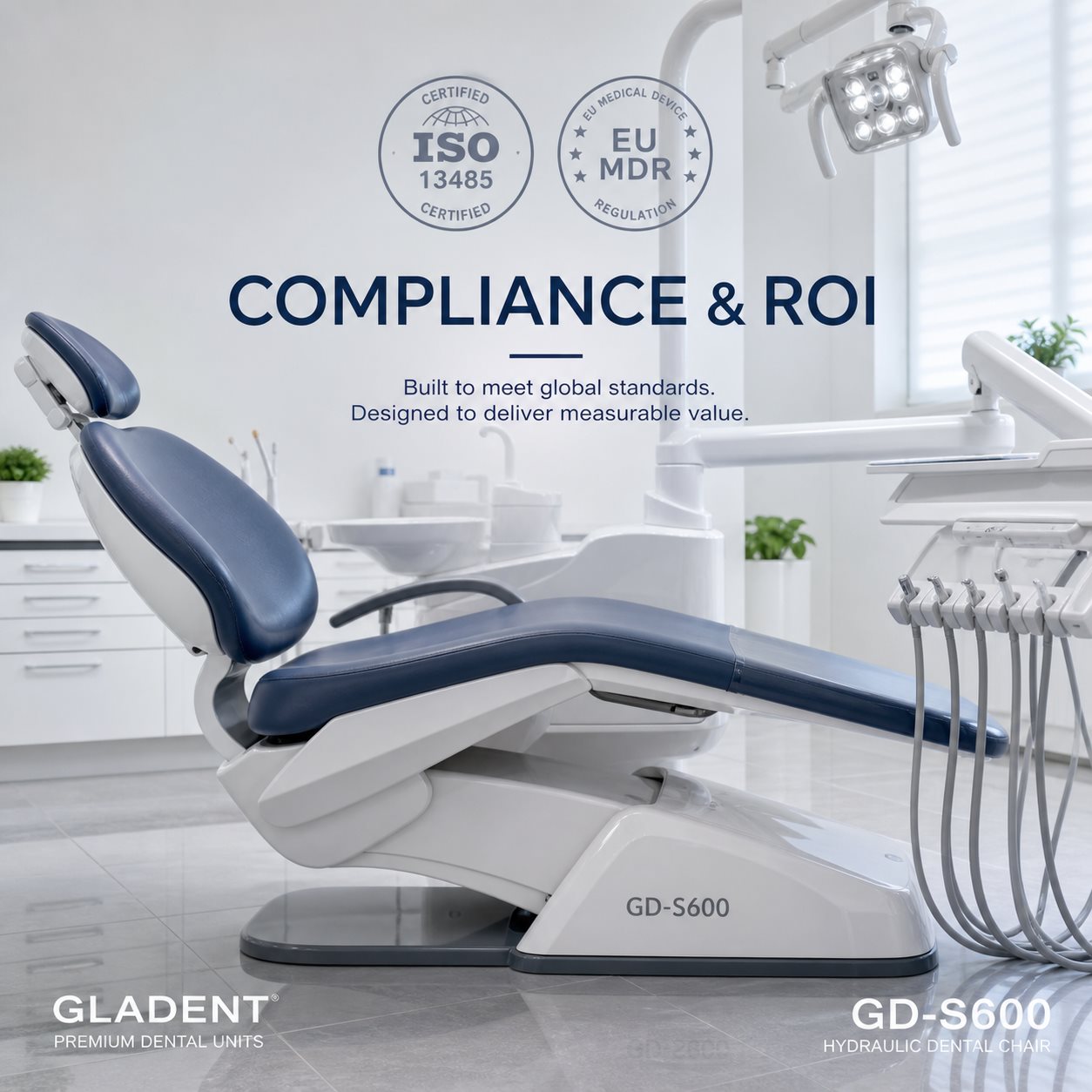
Review the GD-S600 dental chair pathway with maintenance and workflow planning in mind.
Explore a one stop clinic solution provider for coordinated operatory planning.
Ready to scale your clinic with high-ROI equipment?
📥 Click to Get the 2026 Latest Dental Treatment Unit Selection Manual & Factory Wholesale Quote
Mastering the Ergonomic features of dental chairs for Patient Anxiety Reduction and Clinic ROI