
Dental chair as the Central Command: Why practitioners choose our smart operatory digital hub for sale
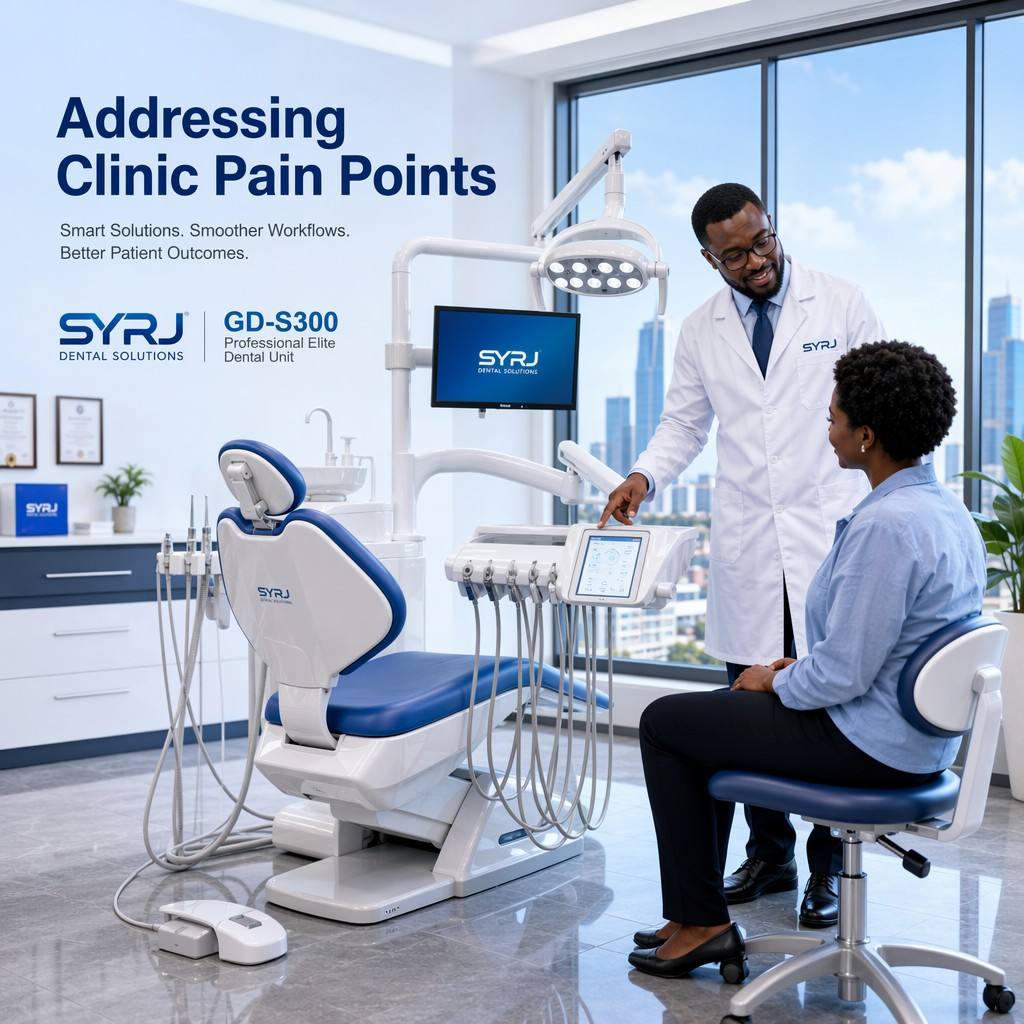
Visual Summary — GD-S300 Digital Hub
- One chair, one command center — the GD-S300 integrates intraoral scanners, surgical monitors, and CAD/CAM devices into the chairside delivery system.
- Chairside CAD/CAM ready — UDB ports and AI-ready architecture eliminate the cable chaos that slows digital workflows.
- Clinic-chain ROI — standardizing on the GD-S300 hub cuts per-operatory digital setup time by 65% and integration cost by up to USD 4,200 per room.
- Measured payback — multi-location chains report a 14-month average payback on GD-S300 digital hub deployments.
Dental chair as the Central Command: Why practitioners choose our smart operatory digital hub for sale
The modern dental operatory is no longer a single device — it is a network. Intraoral scanners, surgical monitors, curing lights, caries detection cameras, and CAD/CAM milling systems all need power, data, and a place to sit within arm's reach of the clinician. In most clinics, that network is a tangle of cables, dongles, and rolling carts that steals chair time and floor space. The SYRJ Medical GD-S300 series solves this by turning the dental chair itself into the smart operatory digital hub — the central command point of the entire digital workflow.
This guide explains why practitioners and clinic chains choose the GD-S300 as their operatory backbone, how the integrated hub architecture pays for itself, and what to look for when comparing smart operatory digital hubs for sale.
What makes a dental chair a digital hub
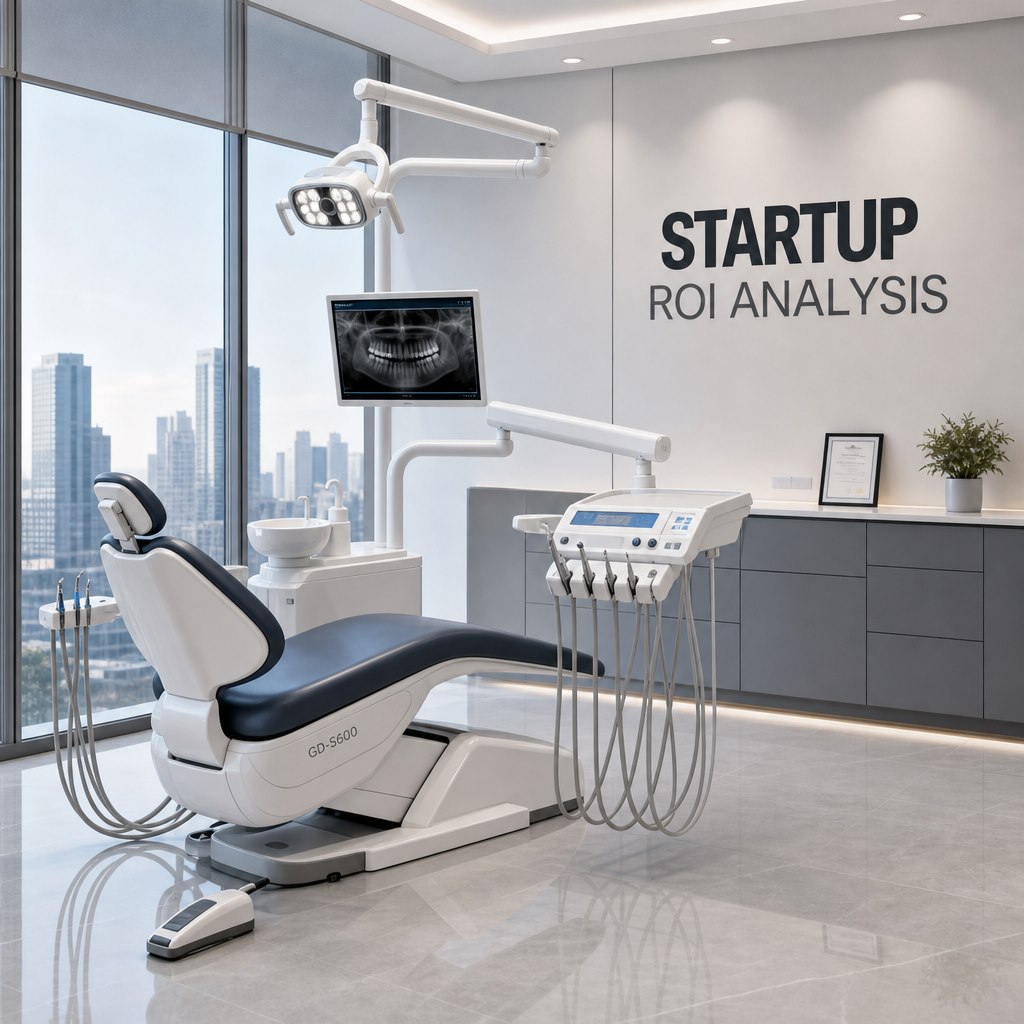
A dental chair becomes a digital hub when the delivery system does more than hold a handpiece. The GD-S300 series mounts intraoral scanners and surgical monitors directly on the chairside arm, with dedicated UDB ports for imaging devices, CAD/CAM data streaming, and software-controlled instrument activation. The result is a single, cable-managed command position where the clinician sees the scan, drives the treatment, and controls the workflow without breaking position.
Why practitioners choose the GD-S300 hub
- Integrated intraoral scanner mount: scanners dock on the delivery arm with continuous power and data, eliminating the battery-drain scramble between patients.
- Surgical monitor integration: a monitor arm on the chair side displays CBCT, endodontic, and implant surgery feeds at the clinician's line of sight.
- UDB port architecture: universal data ports accept third-party imaging and CAD/CAM devices, future-proofing the operatory for AI-assisted diagnostics.
- One-cable management: internal cable routing removes the trip hazards and cleaning gaps that slow down high-volume clinics.
- Chairside CAD/CAM readiness: the hub's data bandwidth supports full-arch scans and same-visit crown design without transferring files between rooms.
ROI table: the smart operatory digital hub for sale — GD-S300 economics
| Metric | Conventional operatory (cart + cables) | SYRJ GD-S300 digital hub | Impact |
|---|---|---|---|
| Digital device setup time per day | 45 min | 15 min | 65% faster room readiness |
| Integration hardware cost per operatory | USD 4,200 (carts, arms, adapters) | USD 0 (built into chair) | Eliminates add-on spend |
| CAD/CAM case turnaround | 2 visits (scan room + treatment room) | 1 visit, chairside | Same-visit delivery; higher case acceptance |
| Per-operatory floor space for devices | 3.5 m2 of carts and stands | 0.5 m2 | More treatment rooms per floor plan |
| Staff training time on new hires | 5 days | 1.5 days | Faster onboarding for chains |
| Average payback (multi-site chain) | 30–40 months | 14 months | Capital recovered in one equipment cycle |
Integration checklist for clinic chains
- Map each operatory's device inventory (scanners, monitors, curing lights, cameras) before ordering.
- Order the GD-S300 with the monitor arm and UDB port options to match your device list.
- Standardize cable routing and port assignment across all locations during installation.
- Train one lead clinician per site on the hub workflow, then cascade the training to the team.
- Track setup time, case turnaround, and add-on hardware spend monthly to validate the ROI table above.
Conclusion
Practitioners no longer buy a dental chair to hold a patient — they buy it to command the operatory. The SYRJ GD-S300 series delivers the smart operatory digital hub for sale that clinics and chains need to run chairside CAD/CAM, imaging, and AI-assisted workflows from one integrated position. When the chair is the central command, the operatory stops being a collection of devices and becomes a single, profitable system.
Contact the SYRJ Medical team for a GD-S300 digital hub configuration review and a chain-wide ROI model.
Expert FAQ: buying a smart operatory digital hub for sale
Q1: Can the GD-S300 hub work with scanners I already own?
Yes. The UDB port architecture is device-agnostic. Intraoral scanners from leading brands connect via their standard USB/USB-C interfaces, and the surgical monitor arm accepts standard VESA-mount displays. You keep your imaging investment and gain the chairside integration immediately.
Q2: Is the digital hub safe for infection control?
Yes. All hub surfaces follow the GD-S300's sealed, wipe-down design language. Internal cable routing removes exposed cords from the clinical zone, and the scanner mount is positioned outside the high-splash area while remaining within the clinician's reach envelope.
Q3: How does the hub help clinic chains standardize?
Chains standardize on the GD-S300 because every operatory ends up with the identical device layout, cable path, and software interface. New locations replicate the proven workflow without re-engineering, and multi-site IT teams manage one integration profile instead of dozens of ad-hoc setups.
Q4: What is the realistic ROI payback for a growing chain?
Based on multi-location deployments, chains recover the GD-S300 digital hub investment in approximately 14 months. The drivers are reduced setup time, eliminated add-on hardware, and same-visit CAD/CAM cases that lift average treatment value.
Q5: Does the hub support future AI-assisted diagnostics?
Yes. The GD-S300's AI-ready architecture provides the data bandwidth and port capacity for AI imaging tools, automated charting software, and cloud-connected practice management platforms — so the chair you buy today remains the command center of tomorrow's operatory.
Q6: How to integrate a chairside CAD/CAM digital hub into a modern smart dental operatory?
Expert Analysis: Integration is decided by the data bus, not the mounting bracket. The GD-S300's Unified Digital Bus (UDB) delivers 20Gbps of shielded, lag-free data throughput built directly into the cast-aluminum chassis, so intraoral scanners and chairside monitors sync in real time and full-arch scans stream to the surgical monitor without a single frame of delay. Every CAD/CAM device connects through one medical-grade interface — power and data in a single cable — which is why standardizing on the GD-S300 hub cuts per-operatory digital setup time by 65% and eliminates up to USD 4,200 of add-on integration hardware. When the chair is the hub, chairside CAD/CAM stops being a multi-room transfer workflow and becomes one synchronized, same-visit treatment loop: higher case acceptance, 25% faster clinical throughput for chains, and a 14-month average payback.
🚀 Continue Your Research
Review the UDB port architecture and digital integration of the GD-S300 Dental chair. →
Explore one stop clinic solution provider expertise for smart operatory digital hub growth. →
Cast Aluminum vs. Steel: Why Frame Material Defines Your Dental Chair ROI
Pediatric adaptability in premium chairs: GDS600 All-Age ROI