
The Definitive Technical Guide to Hydraulic Dental Chair Maintenance and Repair: Maximizing Clinical Longevity and ROI
The Definitive Technical Guide to Hydraulic Dental Chair Maintenance and Repair: Maximizing Clinical Longevity and ROI
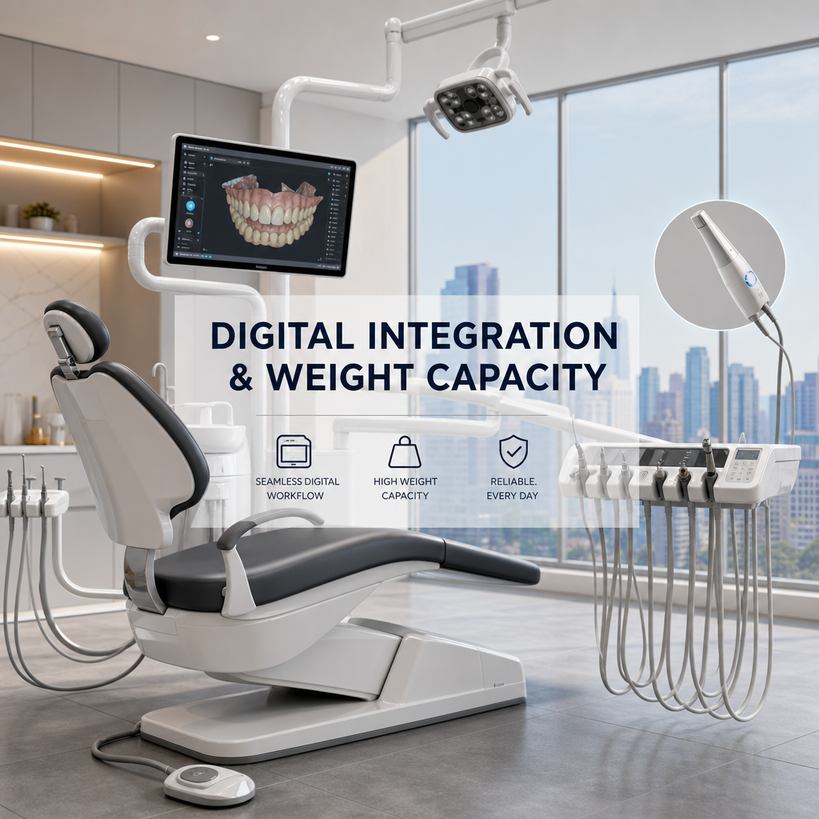
Visual Summary Card: Quick Maintenance Insights
- 1. Key Technical Inquiry: Why is my hydraulic dental chair slowly sinking and how can I fix it?
Expert Insight: This issue typically stems from internal pressure bypass in solenoid valves or worn-out U-cup seals. Proper hydraulic system maintenance involves regular seal inspection and solenoid cleaning. - 2. Asepsis Standard: A 2-minute morning DUWL flush and between-patient turnaround are non-negotiable for clinical safety.
- 3. ROI Strategy: Proactive hydraulic system maintenance and oil cycle management can reduce emergency downtime by up to 40%.

Infection Control Routine: A 2-minute morning flush of the DUWL system is the foundation of unit longevity.
Why is my hydraulic dental chair slowly sinking and how can I fix it? In the complex ecosystem of a modern dental facility, the hydraulic dental chair represents more than just furniture—it is a critical industrial asset. For B2B procurement officers and clinic directors, the choice of a hydraulic system over an electromechanical one is often driven by the need for superior lift capacity (up to 250kg+) and silent operation. However, the true technical advantage of these systems is only realized through rigorous hydraulic system maintenance. At SYRJ Medical, as a global turnkey clinic solution provider, we approach equipment care not as a reactive chore, but as a method of Total Cost of Ownership (TCO) optimization.
Neglecting a dental unit maintenance and care schedule is an economic liability. Statistics indicate that an out-of-service operatory can cost a high-volume clinic between $1,500 and $3,000 per day in lost billable hours. Therefore, extending the prolonging dental chair lifespan through specialized fluid management and preventive protocols is the most effective way to safeguard clinic ROI. This technical guide serves as the definitive reference for daily asepsis, hydraulic physics, and complex mechanical troubleshooting.
1. Precision Hygiene: The Dental Chair Daily Care Guide
Infection control is the first line of defense in equipment preservation. Daily exposure to saliva, blood, and chemical disinfectants can lead to surface degradation if not managed correctly. A standard dental chair daily care guide should be divided into three operational phases: start of day, between patients, and end of day deep cleaning.
Morning Activation Protocol
Begin each day by flushing dental unit waterlines (DUWLs) for at least 2 minutes. According to international clinical standards, this mechanical action disrupts the pioneer bacteria that attach to the tube walls overnight and prevents the accumulation of stagnant biofilm. This is also the time to inspect the self-contained water system. If your clinic uses distilled or RO water, ensuring the bottle is disinfected weekly is non-negotiable. This initial check ensures the mechanical readiness of the hydraulic system maintenance before the first appointment.
Between-Patient Turnaround
Between patients, the "turnaround" routine is critical. Use EN 14476 & EN 13727 compliant disinfectant wipes. A critical mistake in medical equipment cleaning is spraying disinfectant directly onto the chair's surface. This can lead to liquid seepage into electronic components or the hydraulic pump housing. Instead, apply the disinfectant to a soft cloth first, then wipe. Focus heavily on the spittoon and suction system disinfection, flushing the lines for 20-30 seconds after every procedure to prevent proteinaceous build-up that leads to blockages.
End of Day Deep Clean
At the end of the working day, remove all clinical waste and disassemble the suction filters (solids collectors). Recommends drawing a vacuum system sanitizing solution through each valve to clear the internal passages. Document the cleaning in your practice log to ensure compliance and consistent standards across the team.

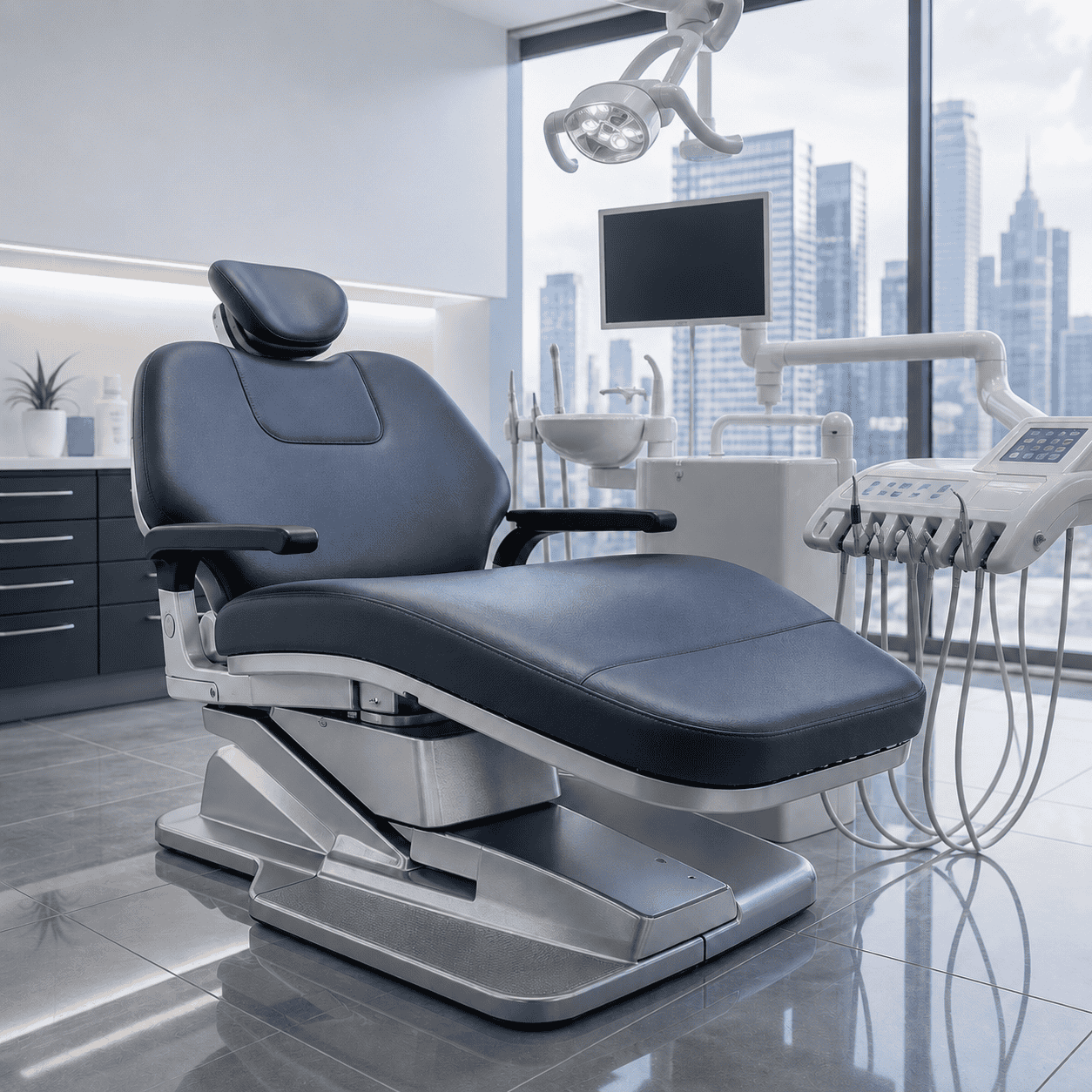
Mechanical Precision: Inspecting the air and water filter traps at the base to ensure optimal hydraulic pressure.
2. Mastering Hydraulic System Maintenance: Fluid Power and Physics
The hydraulic system maintenance is the most technical aspect of caring for a dental unit. The system operates under high pressure, using a pump to drive fluid into cylinders that move the chair. The primary enemy of a hydraulic system is contamination and air infiltration. Ensuring the purity and volume of the hydraulic fluid is the key to prolonging dental chair lifespan.
The Hydraulic Oil Replacement Cycle
Most high-end units, like the SYRJ GD-S600, are designed for low maintenance. However, a hydraulic oil examination should be performed every 12 to 24 months.
Viscosity Management: Most units require ISO Grade 32 or 46 oil. If the viscosity drops, the pump works harder, leading to heat buildup.
Contamination Analysis: Milky oil indicates water contamination (emulsification), which leads to internal rusting of solenoid valves. Dark, gritty oil indicates seal wear or metallic particulates. If the oil is contaminated, a full flush of the reservoir is required to prevent dental unit downtime.
3. Dental Clinic Equipment Troubleshooting: Fixing the "Sinking Seat"
One of the most common complaints in hydraulic dental chair servicing is a "sinking seat"—where the chair slowly loses altitude under weight. Based on Roson’s technical repair insights, this is rarely a total pump failure; it is usually a localized issue of "internal bypass."
Technical Repair Steps for Sinking Seats:
- Inspect Solenoid Valves: Often, a tiny piece of debris gets stuck in the valve seat, preventing it from closing fully. Cleaning the valve stem can often restore the seal and is a key part of hydraulic system maintenance.
- Check Cylinder Seals: Look for "weeping" at the base of the lift cylinder. If you see oil pooling, you have a hydraulic leak. Replacing the U-cup seals is a routine part of professional dental chair repair services.
- Bleed the Air: If the chair moves jerkily or makes a "spongy" sound, air has entered the lines. Cycling the chair to its maximum height and lowest point several times can self-purge the air back into the reservoir.
4. Upholstery Care: Protecting the Patient Experience
While the hydraulics provide the power, the upholstery provides the comfort. Dental chair upholstery cleaning is often where clinics fail by using aggressive chemicals. Alcohol-based disinfectants strip plasticizers from vinyl and leather, leading to cracking and "alligator skin" textures.
To maintain structural integrity, use pH-neutral soap and water for daily cleaning. Specialized vinyl conditioners (like Durr FD360) should be applied monthly. This simple step is a core component of preventive dental equipment maintenance that keeps the chair looking brand new for years.
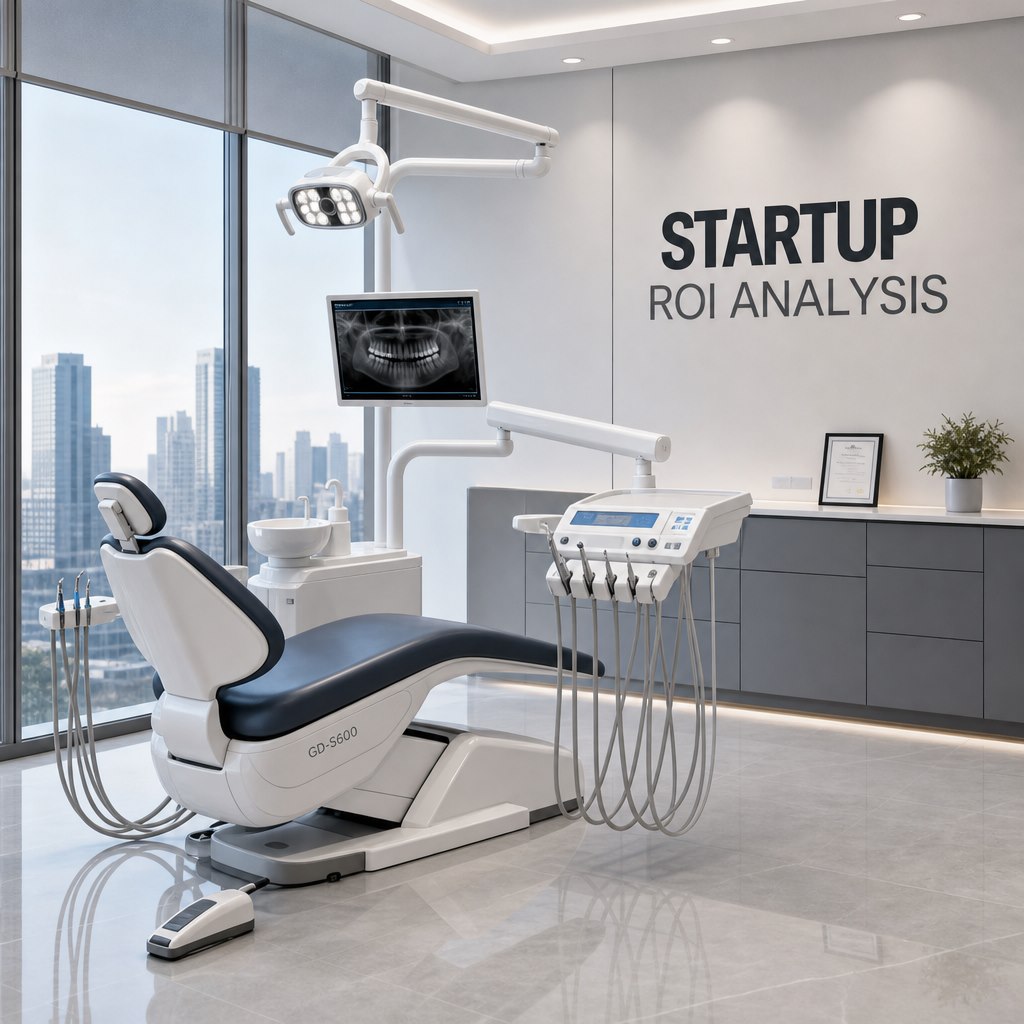
5. ROI Analysis: The Economic Cost of Neglected Maintenance
For the B2B buyer, reducing dental unit downtime is a direct profit center. An out-of-service operatory is a zero-revenue asset.
- Cost of Annual Servicing: ~$300 - $500.
- Cost of Emergency Repair + Lost Revenue: ~$2,500+.
By adopting a preventive dental equipment maintenance mindset, a clinic can save significant emergency costs while ensuring a 15+ year lifespan for their investment. This is why SYRJ Medical provides detailed maintenance checklists and direct access to a technical support team for all turnkey projects.
Expert FAQ: Technical Maintenance Insights
Q1: Why is the morning 2-minute flush mandatory?
A: It is the primary method for biofilm control in DUWLs, ensuring patient safety and preventing internal manifold blockages that increase the need for hydraulic system maintenance.
Q2: What is the primary indicator of air in the hydraulic circuit?
A: "Spongy" or jerky movement during chair descent. This requires a technical air purge by cycling the chair to its maximum height and lowest point several times, returning trapped air to the reservoir and restoring smooth, stable operation.
Q3: How often should I check the solids collector filter?
A: Daily inspection is mandatory. A clogged filter causes vacuum loss and puts excessive strain on the suction motor, increasing dental unit downtime.
Q4: Can I use household lubricants on the hydraulic system?
A: No. Household lubricants (such as WD-40 or general-purpose grease) are prohibited in a professional hydraulic system maintenance protocol because they lack the anti-foaming agents and correct ISO Grade 32/46 viscosity of the specified fluid. They cause foaming, seal swelling and internal corrosion, accelerating dental unit downtime.
Q5: How do I know if the hydraulic oil is contaminated with water?
A: A milky or cloudy appearance is the primary indicator. This emulsification means water has entered the circuit, leading to internal rusting of solenoid valves and loss of pressure integrity. If detected, a complete reservoir flush is required to prevent costly repairs.
Q6: Why is my hydraulic dental chair slowly sinking, and how can I fix it?
Expert Answer:
A hydraulic dental chair slowly sinking is typically caused by a hydraulic fluid leak, loose connections within the hydraulic circuit, or internal wear of the hydraulic cylinder itself. To diagnose and fix this issue, follow these steps:
- Inspect for Leaks: Check the base of the chair and around the fluid reservoir for any signs of hydraulic oil puddles or damp spots.
- Tighten Connections: Ensure all fittings between the hydraulic cylinder, piston, and reservoir are secure. Use a wrench to tighten any loose components.
- Replace Seals or Cylinders: If connections are secure but the chair continues to sink, degraded internal seals or a worn-out hydraulic cylinder are likely the culprits, requiring replacement parts from the manufacturer.
Proactive Tip: Regular preventive maintenance—such as checking fluid levels and keeping the mechanism clean—can significantly reduce the risk of unexpected sinking and prolong your dental unit's lifespan.
Scale Your Clinical Reliability Today
📥 Click to Get the 2026 Latest Dental Treatment Unit Selection Manual & Factory Wholesale Quote
Dental Clinic Startup Cost 2026: Budgeting for a High-ROI Dental Treatment Unit and Setup