
GD-S300 Buying Guide: The Smart High-Performance Alternative to Premium Brands
GD-S300 Buying Guide: The Smart High-Performance Alternative to Premium Brands
For a small or growing dental clinic, choosing a treatment centre is a purchasing decision that reaches beyond the chair itself. The team must balance patient comfort, clinician ergonomics, workflow, integration, serviceability and total cost of ownership while protecting the experience patients expect. This guide explains how to assess the SYRJ GD-S300 as a practical alternative to premium brands: not by copying a competitor specification sheet, but by matching useful functions to the way your clinic works. We source and integrate suitable dental equipment through a configuration-led process, and the GD-S300 can be selected by SYRJ Medical when its layout, options and local service plan fit the practice. Use the discussion below to build a defensible shortlist and request confirmation of the final configuration before purchase.
Content Overview
- Comfort and ergonomics for patients, dentists and assistants
- Core functions, controls, lighting and clinical workflow
- Installation planning and day-to-day serviceability
- ROI, total cost and upgrade timing
- A practical selection checklist for procurement
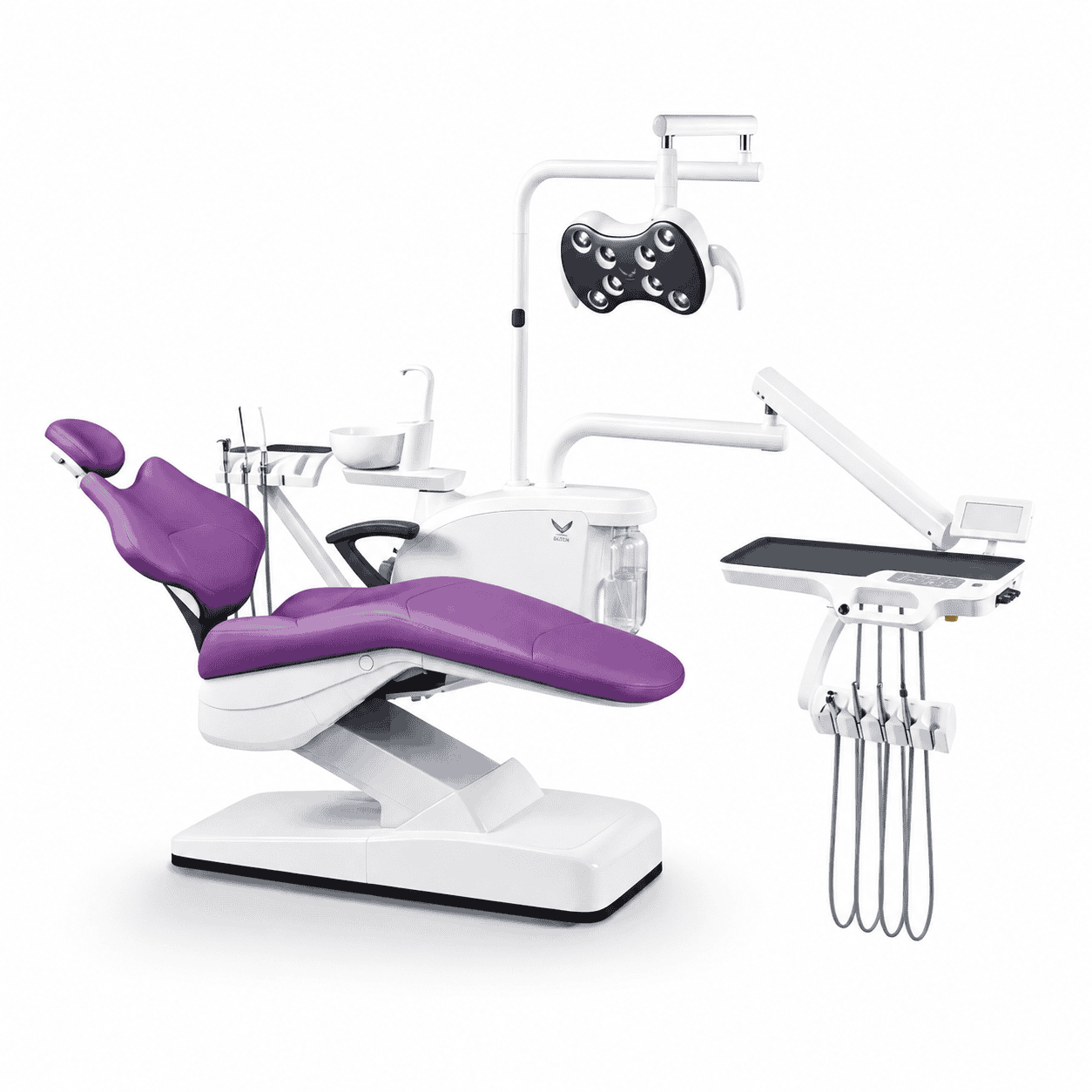
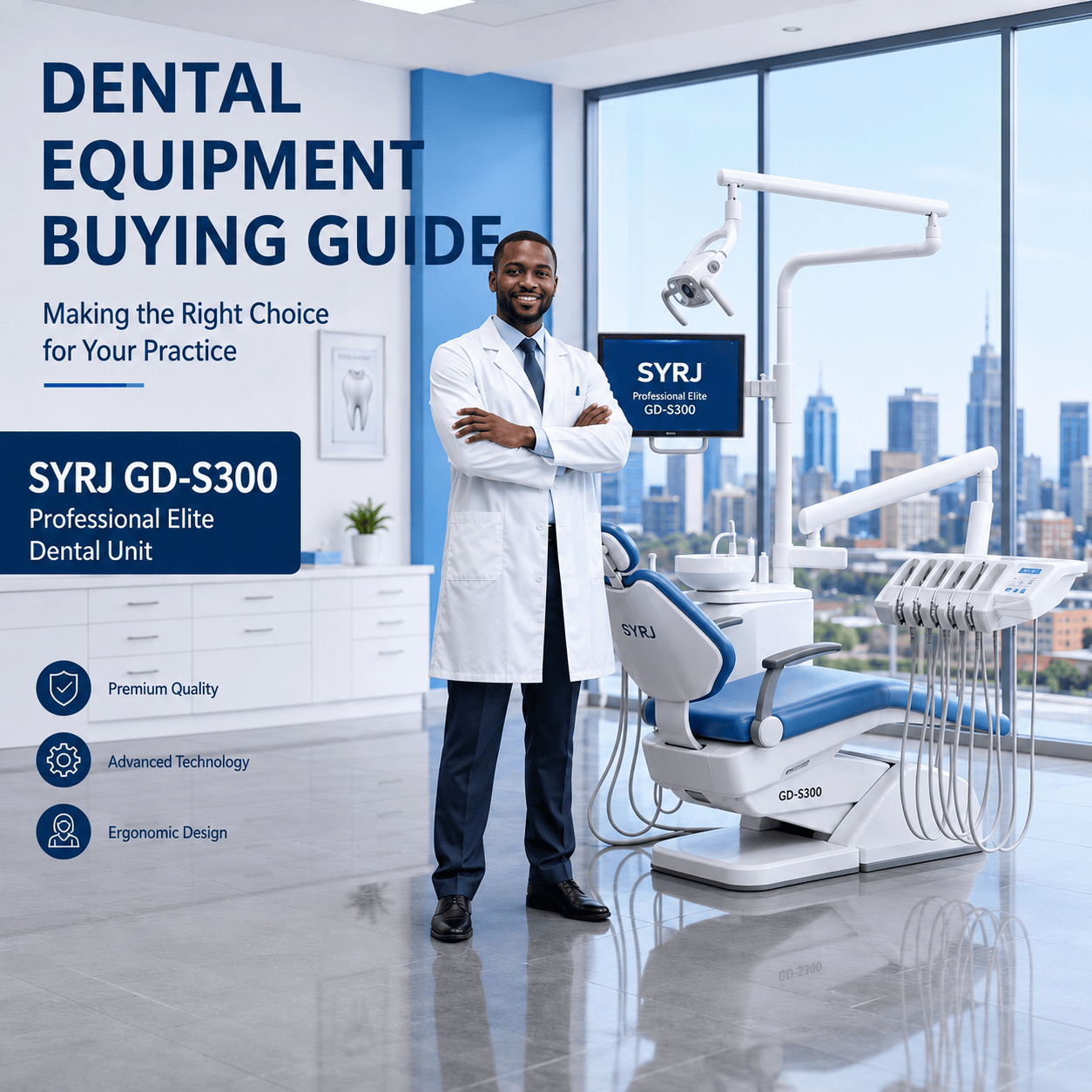
Official SYRJ GD-S300 product image from the SYRJ Medical product page.
1. Start with the clinic decision, not the badge
A dental chair is a working platform used through every appointment. For a startup or expanding practice, the right question is whether the unit supports the intended procedures, room layout and staffing model without avoidable downtime. Map the patient journey from reception to treatment, then note where positioning, rinse functions, instrument access, lighting and imaging create friction. That exercise produces a clearer brief than comparing brands by reputation alone.
The GD-S300 is worth considering when a clinic wants a coordinated chair, delivery system and light in one planned package. It may suit a general practice, a refurbishment, a satellite room or a growing clinic that wants a more capable platform without automatically entering the highest premium-brand budget. Evaluate the alternative-to-premium-brands position fairly: compare the complete configuration, documentation, local installation support and response process rather than an isolated headline feature.
2. Comfort and ergonomics influence the whole appointment
Patient comfort begins with how easily a person can enter, settle and remain supported while treatment changes position. A contoured cushion, stable head support and coordinated movement can reduce the sense of being moved around during an appointment. For anxious patients, quiet, predictable positioning and clear communication matter as much as appearance. Ask for upholstery options, cleaning guidance and available adjustments that match the clinical environment, and confirm that the selected configuration fits local infection-control routines.
Clinician ergonomics are equally important. The dentist should reach the operating field without repeatedly twisting, while the assistant needs clear access to evacuation, instruments and controls. Coordinated chair movement can help maintain a workable line of sight as treatment changes from examination to restorative work. The result depends on room dimensions, stool height and instrument placement, so a floor-plan review or demonstration is more useful than assuming one chair position suits every operator.
GD-S300 operatory visual retained from the existing article asset.
3. Core functions to review before ordering
Positioning and controls
Review how the main control panel, foot control and assistant controls divide routine actions. Memory positions can make repeatable workflows easier, but confirm what each programmable position controls and how users lock or reset it. A simple control language reduces training time for new staff. Check whether the selected model provides the handpiece connections, three-way syringes, suction and other interfaces the practice actually needs. A long list of optional ports is not automatically better if it makes cleaning or maintenance harder.
Lighting and visibility
Oral lighting should provide a consistent working field without adding glare for the patient or clinician. Ask about movement range, sensor or touch operation, intensity adjustment and cleaning compatibility. A practical test in the intended room can reveal reflections from walls, monitors and protective screens. Lighting should be considered together with posture and imaging location, not as a standalone accessory.
Hydraulic, electric and operating logic
Whether the configuration uses hydraulic or electric movement, procurement should focus on smooth, repeatable motion and access to service points. Ask the supplier to explain the operating logic, safety functions, expected consumables and recommended preventive checks. Do not assume a component is identical across every market configuration. The quotation should identify what is included, what is optional and what must be confirmed by a qualified installer.
| Feature | SYRJ GD-S300 (Elite) | A-dec 300 |
|---|---|---|
| Cabinet Material | High-Grade Cast Aluminum (Durable) | High-Impact Plastic / Composite |
| Drive System | Synchronized Electric Linkage | Hydraulic or Electric |
| Memory Positions | 3 Programmable Slots | 2-4 Slots |
| Oral Lighting | Patented 8-Hole Tricolor LED | Single/Dual Color LED |
| Seat Height (Min) | 320 mm (Ultra-Low Ergonomics) | ~350 - 380 mm |
| Investment Value | High ROI / Low Maintenance Cost | High Initial CapEx |
Summary: Compared to the A-dec 300 series, the SYRJ GD-S300 Elite provides superior durability with its high-grade cast aluminum structure and enhanced ergonomic flexibility through its 320mm ultra-low seat height. It is a high-ROI dental unit choice for professional dental clinics.
4. Installation and serviceability are part of performance
A high-performing dental unit can still disappoint if it is installed without a clear utilities plan. Before delivery, confirm room dimensions, door and lift access, floor conditions, water and drainage routes, compressed air quality, electrical supply, lighting clearance and the position of imaging or cabinetry. Ask who is responsible for site preparation, commissioning and user training. A marked-up floor plan and written handover checklist reduce surprises on installation day.
Serviceability should be assessed in practical terms. Staff need to know which surfaces are user-cleanable, where filters or tubing are accessed, how to flush and disinfect lines, and which signs indicate service is required. Request manuals, recommended maintenance intervals, spare-parts channels and the escalation route for technical issues. A solution partner can coordinate the chair, accessories and room integration, but the clinic remains responsible for following local regulations and approved instructions.
For a growing clinic, continuity matters. Ask how remote troubleshooting is handled, how replacement parts are identified and whether local technicians or trained partners are available. Do not accept an unqualified promise of zero downtime. Evaluate the transparency of the support process, warranty terms and realistic response expectations for the destination market.
5. ROI and total cost of ownership
Return on investment is not simply the purchase price divided by appointments. A useful model includes the configured chair and accessories, room preparation, shipping, installation, staff training, consumables, preventive maintenance, electricity and water use, replacement parts and the cost of interruptions. Consider whether the unit enables the clinic to deliver planned procedures comfortably and consistently. Use conservative appointment assumptions and test the result against slower months.
The GD-S300 can be a sensible alternative to premium brands when its useful functions cover the clinic workflow and the capital difference can be redirected to imaging, sterilization, staff development or a second operatory. That conclusion should be based on a like-for-like configuration and support plan, not on a claim that one brand is universally superior. Request a written quotation with configuration, exclusions, lead time, installation scope, warranty and service contacts so the comparison is auditable.
Growth planning affects ROI. One clinic may prefer a straightforward configuration today with a documented path for adding compatible accessories later. Another may need a fuller configuration from day one because retrofit work would disrupt operations. Discuss both scenarios with the supplier and record which assumptions are confirmed and which remain subject to site assessment.
6. Selection checklist for a confident purchase
- Define procedures, patient types, operator positions and expected appointment volume.
- Measure the room and document utilities, access routes, floor conditions and infection-control requirements.
- Specify required handpieces, suction, syringes, controls, light and optional integration.
- Compare comfort, movement, cleaning access and staff workflow in a demonstration or detailed review.
- Ask for exact configuration, manuals, consumables, warranty and service process for the destination.
- Build a five-year total-cost view using conservative downtime and maintenance assumptions.
- Confirm delivery responsibilities, commissioning, training and acceptance checks in writing.
- Keep a record of open questions and obtain final confirmation before releasing the purchase order.
The most reliable buying process is specific without pretending to know what has not been verified. Product availability, utilities, options, regional compliance and service arrangements can vary, so the final GD-S300 configuration should be confirmed for the clinic and market. A solution-oriented partner adds value by translating a clinical brief into an installable package, coordinating the right components and making assumptions visible.
4. FAQ: Choosing the Right Dental Unit
Q1: Why should I choose the GD-S300 over a cheaper economic model?
The Economic & Startup Series is great for low-volume clinics. However, for a professional practice, the GD-S300's aluminum structure and smarter controls prevent the "hidden costs" of frequent repairs and slower patient turnover.
Q2: How do I calculate the total dental chair cost over 5 years?
Consider the initial dental chair cost plus electricity, water, and parts maintenance. The GD-S300’s use of high-quality imported tubing and solenoid valves results in much lower long-term costs.
Q3: Where can I buy a reliable dental assistant chair for my S300?
SYRJ includes the DTS03 Professional Dentist Stool as part of the standard package, but we also offer a specialized saddle chair dental option for improved posture during long procedures.
Plan the complete dental operatory
Digital dental integration / turnkey dental chair solution
For digital dental integration or a turnkey dental chair solution, review the workflow, utilities and equipment package with SYRJ Medical.
Digital dental integration / turnkey dental chair solutionView the GD-S300 dental chair product details
For digital dental integration or a turnkey dental chair solution, review the workflow, utilities and equipment package with SYRJ Medical.
View the GD-S300 dental chair product detailsRequest a configuration review
Send your room plan, procedure mix and procurement checklist for a practical configuration, service and quotation discussion.
Coastal Clinic Survival Guide: Why Material Science is the Deciding Factor in Dental Chair ROI