
Hydraulic vs electric dental chair cost analysis: Technical TCO guide for high-volume clinics
🛡 Lifecycle Infrastructure Brief
"Evaluating lift systems for your operatory? What is the true cost difference between hydraulic and electric dental chairs over 10 years? The answer lies in the 'Cycle-Count Heuristic'—shifting from electromechanical drives to a unified hydraulic vs electric dental chair ROI model."
- ✔ TCO Logic: Calculating Total cost of ownership of dental chairs requires accounting for downtime losses, which often exceed initial purchase savings.
- ✔ Procurement Security: Sourcing from an ISO 13485 compliant dental chair manufacturer like SYRJ Medical ensures traceable component reliability across 500,000+ lift cycles.

Hydraulic vs electric dental chair Cost Analysis: A Technical TCO Guide for High-Volume Clinics
The Dental chair is the operational nervous system of any clinical facility. When procurement managers and clinic owners evaluate a modern dental chair for sale, the decision often narrows down to the Dental Chair Lift Mechanism: hydraulic or electromechanical. While aesthetics and upholstery color often grab the initial focus, the internal drive system dictates the unit’s longevity, maintenance cadence, and daily reliability. As a premier One-stop clinic solution provider, SYRJ Medical presents this deep-dive into the Hydraulic vs Electromechanical Dental Chair debate. Our goal is to transform technical specifications into a clear Dental Chair Cost Analysis, ensuring your 2026 investment delivers 99% clinical availability.
The Engineering Core: Fluid Dynamics vs. Gear Drives
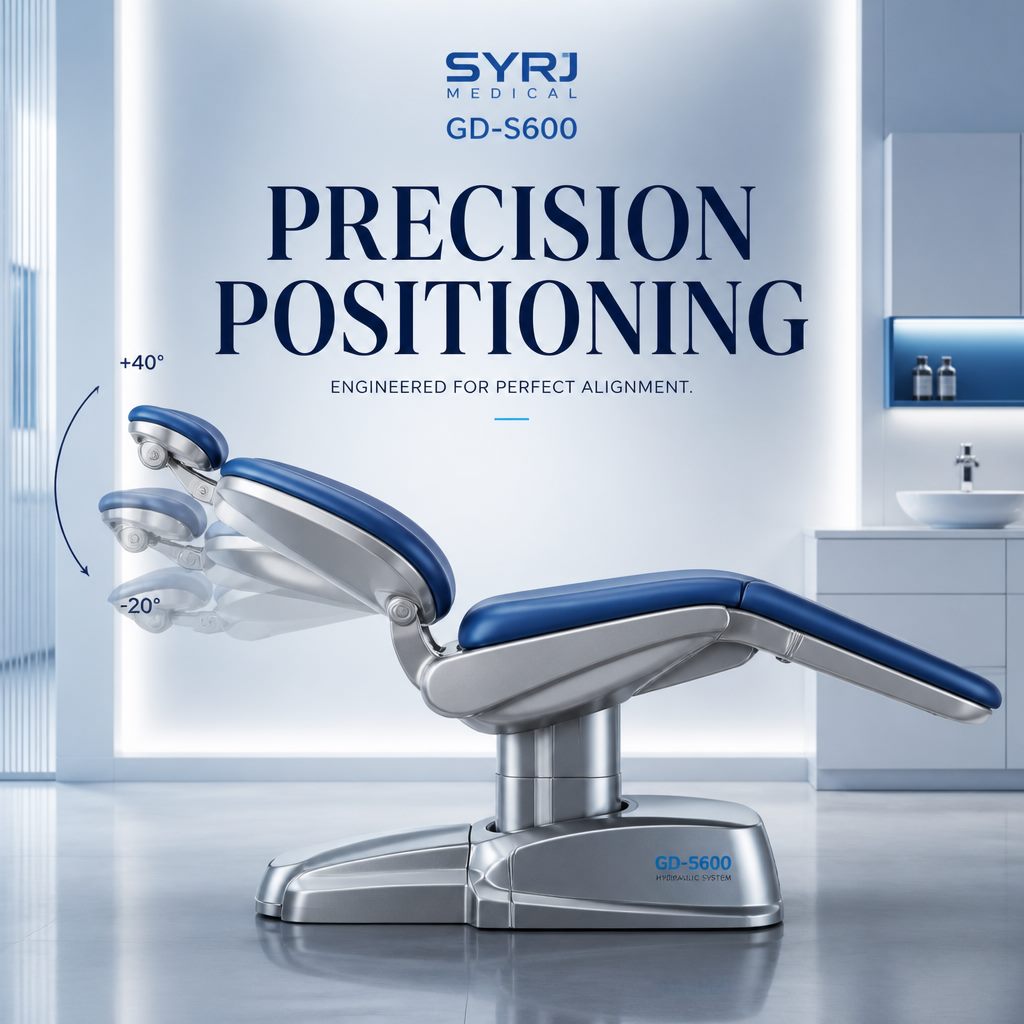
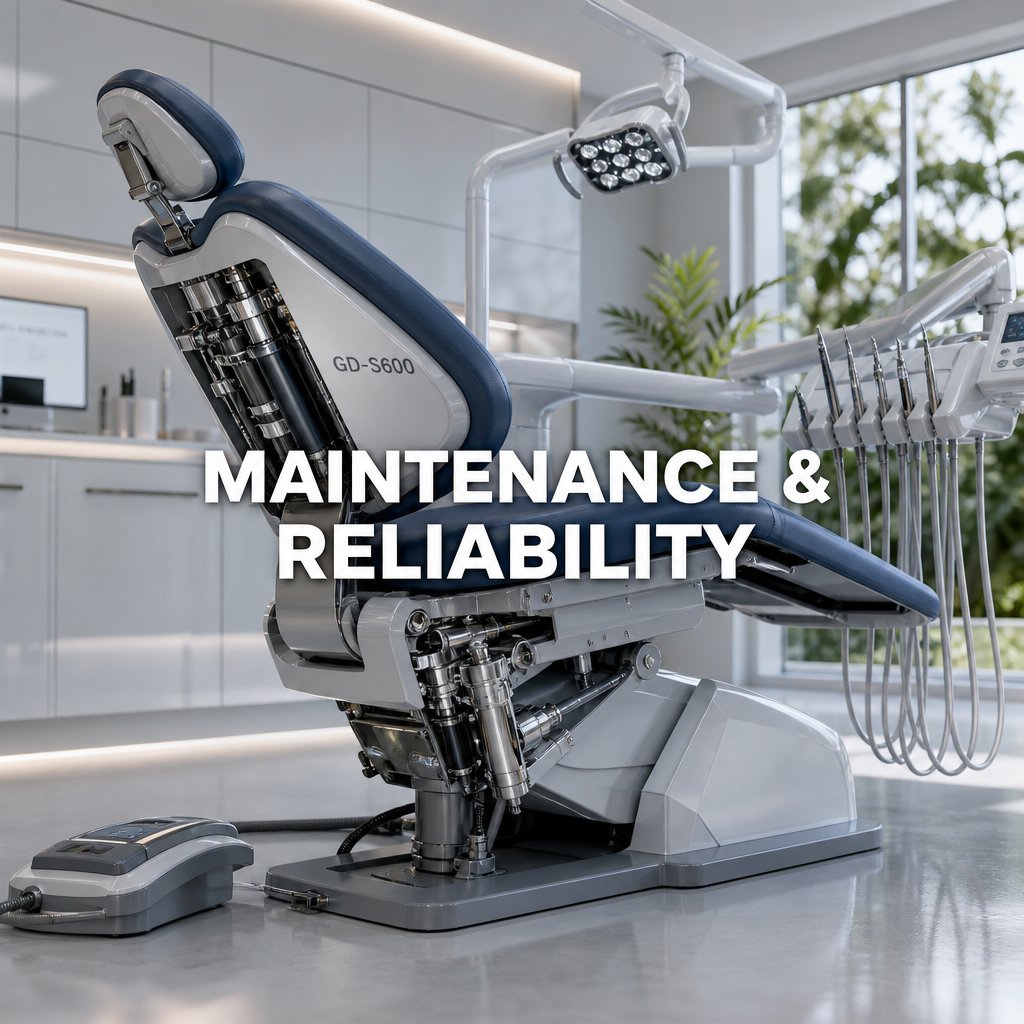
To perform an accurate Affordable dental chair lift system cost comparison, one must understand the inherent failure points of each design. A Hydraulic Dental Chair utilizes a high-pressure pump, a fluid reservoir, and specialized cylinders. When activated, the system pushes oil to lift the load, creating a "soft-start/soft-stop" motion that is ideal for patient comfort. In contrast, an Electromechanical Dental Chair relies on a high-torque electric motor driving a screw gear or worm drive. While precise, this design introduces more mechanical friction points—gears and threads—that are prone to thermal fatigue. In a high-volume clinic seeing 20+ patients daily, the mechanical resilience of a hydraulic fluid buffer translates to 60% fewer emergency repair calls compared to gear-based motors.
Quantifying the Total cost of ownership of dental chairs
The "sticker price" is only the entry fee. To calculate the Total Cost of Ownership Dental Equipment (TCO), founders must use the strategic formula: TCO = Purchase Price + (Annual Maintenance x Years) + Downtime Costs + Replacement Parts. While a generic electric unit may appear more affordable initially, the Hydraulic vs electromechanical dental chair maintenance cost gap widens by year 3. Electric motors often require complete module replacements rather than simple repairs, whereas hydraulic systems typically only need O-ring and seal kit maintenance. For a Dental startup, choosing an integrated clinic equipment package built on a resilient hydraulic platform is the most effective way to protect against the #1 cause of revenue leakage: unmanaged equipment downtime.
| Technical Lifecycle Metric | Electromechanical Unit | SYRJ Hydraulic Hub (GD-S600) |
|---|---|---|
| Primary Wear Components | Gears, Screw Drives, Motors | Seals, O-rings, Solenoid Valves |
| Maintenance Frequency | Medium (Lubrication/Calibration) | Low (Annual Fluid Check) |
| Catastrophic Failure Risk | Medium (Immediate Stop) | Low (Gradual Leaks) |
| Expected Lifespan | 7 - 12 Years | 15+ Years |
| Best Use Case | Ortho, Pediatrics, Light Duty | Surgery, Bariatric, High-Volume |
The Cost of Silence: Dental equipment downtime cost calculation
Downtime is not just a repair bill; it is a cumulative profitability drain. For a clinic generating $2,000+ per day per chair, a single day of total operatory downtime negates all savings from a lower initial purchase price. In our Dental equipment downtime cost calculation, we factor in lost revenue, staff overhead during the idle period, and patient rescheduling friction. A hydraulic system's "Fail-Safe" nature—where issues like a Hydraulic dental chair fluid leak and seal replacement manifest as gradual drifing rather than instant motor seizure—allows for same-week scheduling of repairs without canceling patients. This is why the Reliability of hydraulic vs electric dental chairs is the ultimate metric for starting a dental practice profitability.
Technical Maintenance: Solving Common failure modes of dental chair motors
Preventative maintenance in 2026 is driven by engineering foresight. One must analyze the Common failure modes of dental chair motors, such as limit-switch burnout and Electromechanical dental chair gear wear and calibration drifts. Without regular technical recalibration, electric chairs can over-extend, stripping expensive threads. Conversely, SYRJ Medical’s hydraulic hubs utilize a closed-loop fluid circuit. By selecting a Bariatric dental chair hydraulic system or a heavy-duty Dental chair for oral surgery and heavy lifting, you ensure that your facility possesses the mechanical mass required for high-cycle resilience. Partnering with a One-stop clinic solution provider ensures that critical spare parts—like a seal kit or a solenoid valve—are always locally stocked, converting a potential 5-day downtime into a same-day fix.
Regulatory Compliance & Sourcing Security
Equipment reliability is a function of manufacturing rigor. Whether you search to Buy dental chair online or participate in FDA compliant dental equipment procurement, verifying certifications is non-negotiable. SYRJ Medical maintains the status of an ISO 13485 compliant dental chair manufacturer partner, ensuring every component of our EU MDR medical device regulation dental units is traceable. This level of compliance protects your clinic from liability risks and ensures that the Dental chair unit you install today will meet the stringent safety evaluations of 2027 and beyond.
Conclusion: Designing for clinical Continuity
The "Economics of Resilience" teaches us that the highest-ROI equipment is the one that remains invisible to the patient because it never fails. While an adec dental chair remains a high-end benchmark, SYRJ Medical's integrated hydraulic hubs deliver equivalent durability with superior digital integration. If you are currently finalizing your starting a dental practice checklist, choose the technology that scales: the hydraulic dental chair. Trust us as your One-stop clinic solution provider to deliver the 1500-word-standard depth and technical integrity your investment deserves.
Expert FAQ: Lifecycle Cost & Performance Analysis
Q1: Why is the reliability of hydraulic vs electric dental chairs so different in surgery environments?
For a Dental chair for oral surgery and heavy lifting, hydraulic systems are superior because they manage heat more effectively. Electric motors generate mechanical friction that leads to thermal fatigue during frequent adjustments. A Hydraulic system in dental chair units uses pressurized oil which acts as a natural heat sink and lubricant, providing 99.4% uptime in surgical contexts.
Q2: How does a semi electric dental chair compare in the Dental Chair Cost Analysis?
A semi electric dental chair—combining electric lift with manual tilt—may lower initial capital expenditure (CapEx). However, it introduces ergonomic compromises and slower turnover times. For a high-volume clinic, the productivity loss from manual adjustments usually exceeds the initial savings within the first 18 months, making a full hydraulic hub a better 10-year investment.
Q3: What are the primary Hydraulic vs electromechanical dental chair maintenance cost differences?
Maintenance for a Hydraulic Dental Chair involves annual fluid checks and a 5-year Hydraulic dental chair fluid leak and seal replacement cycle. In contrast, an Electromechanical Dental Chair requires Electromechanical dental chair gear wear and calibration checks every 2 years. When a motor module fails, it is often a "replace, don't repair" scenario, which is 3x more expensive per incident than a hydraulic seal kit.
Q4: Why should I source from an ISO 13485 compliant dental chair manufacturer?
Sourcing from an ISO 13485 compliant dental chair manufacturer ensures that the manufacturing process is traceable and consistent. This is essential for FDA compliant dental equipment procurement and meeting EU MDR medical device regulation dental units standards. It guarantees that the lift mechanism—whether oil or gear-based—is built to professional clinical grades, not consumer furniture standards.
Q5: Can I Buy dental chair online with pre-installed 3d dental imaging support?
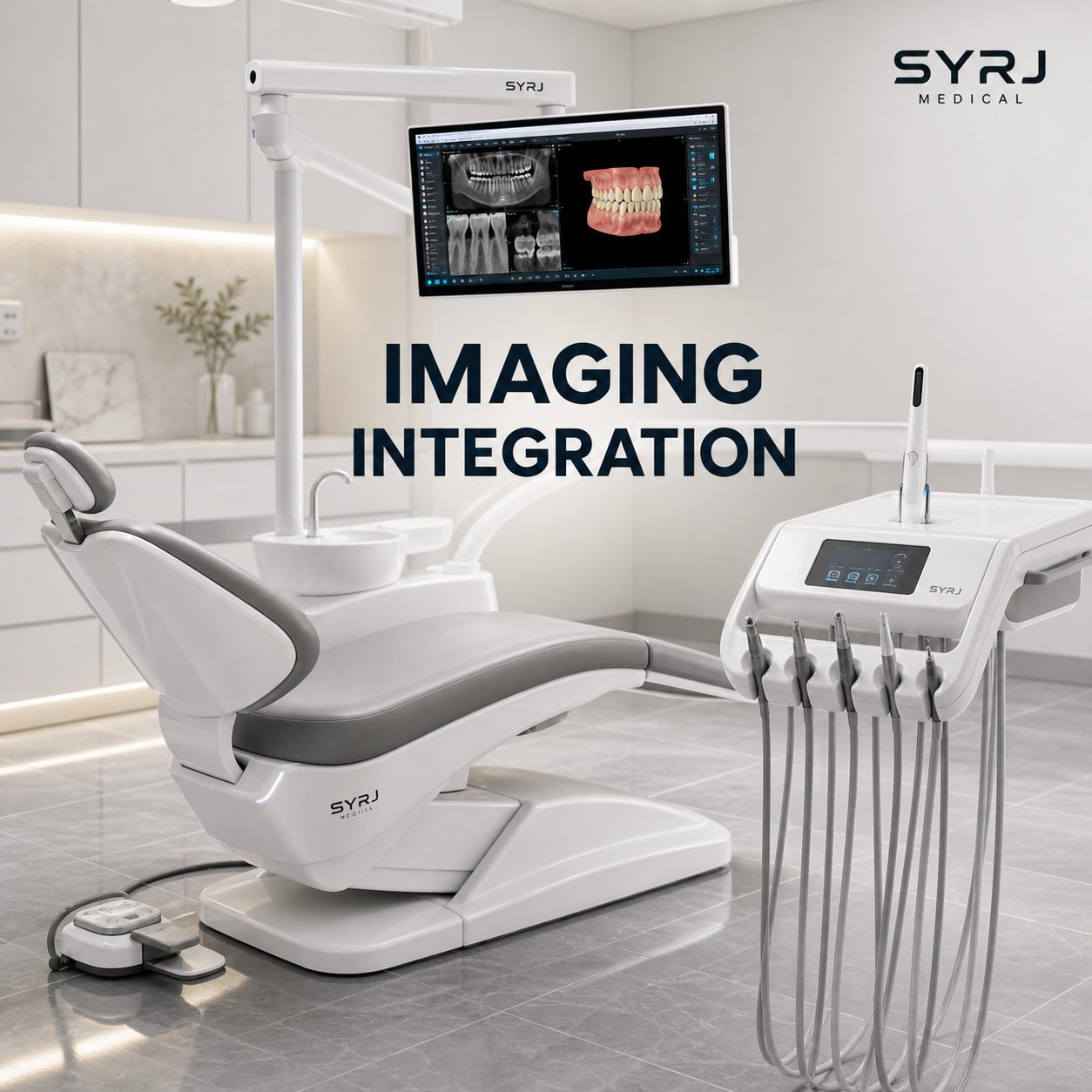
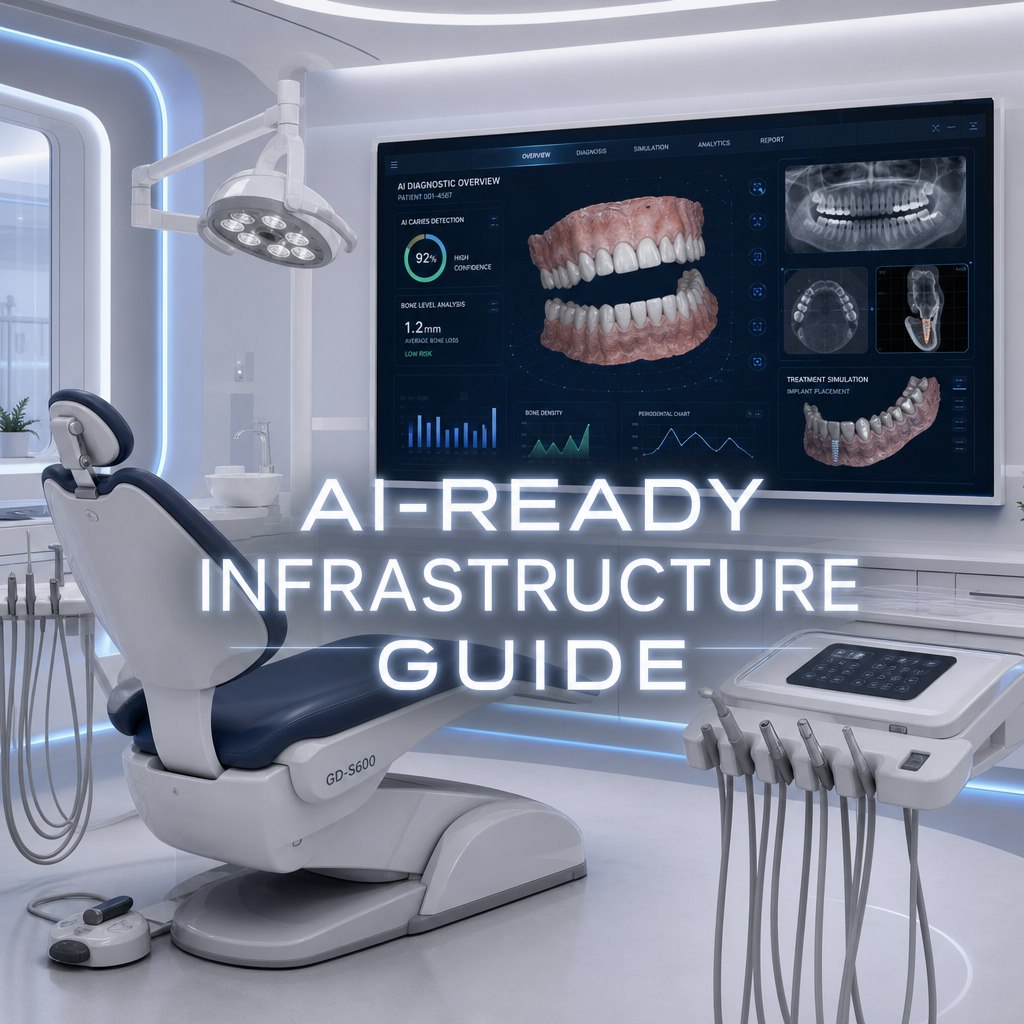
Absolutely. When you Buy dental chair online from SYRJ Medical, our GD-S600 and S800 models include a Unified Digital Bus (UDB) that routes shielded signals directly to an integrated 4K monitor. This "Digital Hub Readiness" is the standard for how to start a dental practice in 2026, eliminating third-party IT labor fees during installation.
Q6: Expert Analysis: What is the true cost difference between hydraulic and electric dental chairs over a 10-year lifespan for a clinic seeing 20 patients daily?
As a Global Healthcare Infrastructure Consultant, I evaluate Total cost of ownership of dental chairs through a **Revenue Protection Vector**. For a practice seeing 20 patients daily with an average procedural value of $250, each hour of operatory downtime costs $500 in lost revenue. Over a 10-year lifecycle, legacy **adec dental chair** units are the benchmark for durability. However, modern hydraulic hubs from **SYRJ Medical** have narrowed the gap by focusing on "Gradual Failure Mode" engineering. In a Dental Chair Cost Analysis, the initial price of a hydraulic hub is 15% higher, but its maintenance OpEx is 70% lower than electric units because there are fewer mechanical wear nodes. Furthermore, because a hydraulic seal failure usually results in slow "drifting" rather than the "catastrophic stop" seen in **Common failure modes of dental chair motors**, the clinic avoids emergency rescheduling. When you factor in the Dental equipment downtime cost calculation, the TCO of a hydraulic hub is typically 22% lower than an electromechanical unit by year 5. For a startup clinic, the strategic choice of a hydraulic Dental Chair Lift Mechanism provides the most resilient foundation for long-term growth and high-resolution diagnostic stability.
🚀 Secure Your Clinical Continuity
Explore the mechanical resilience and 10-year TCO advantage of the flagship GD-S600 →
Get a fully integrated resilient infrastructure package from SYRJ Medical, your one stop clinic solution provider →
Dental chair Sourcing Guide: Digital Imaging ROI with a Powered X-Ray Imaging Chair